

In the dynamic and ever - evolving cosmetic industry, precision, quality, and consistency are of utmost importance. As a supplier of Colour Sensor, I have witnessed firsthand the potential of these sensors to revolutionize the cosmetic manufacturing process. In this blog post, we will explore whether a colour sensor can indeed be used in the cosmetic industry, delving into the science behind it, the benefits it offers, and real - world applications.
The Science behind Colour Sensors
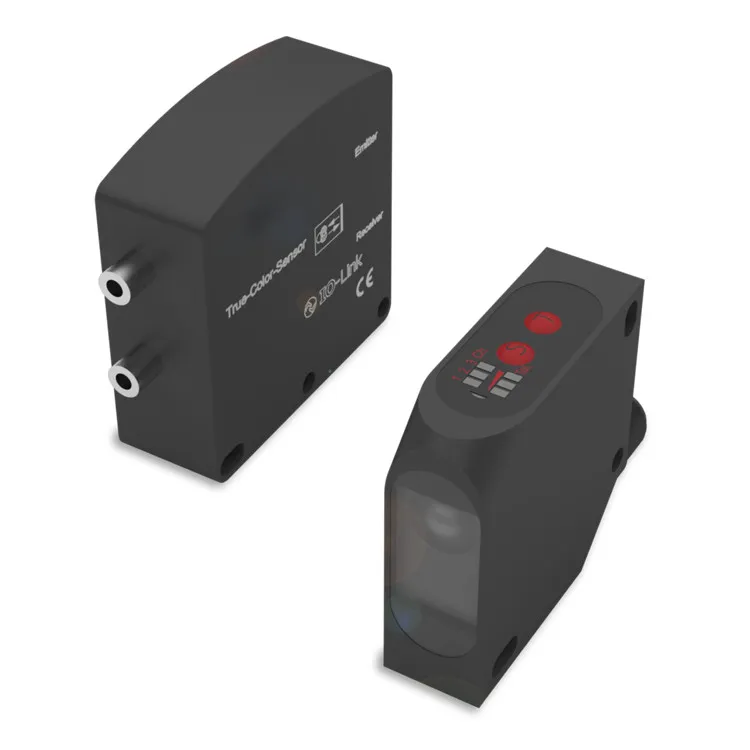
Colour sensors are based on the principle of measuring the spectral characteristics of light reflected or transmitted by an object. They typically consist of a light source, a detector, and signal - processing electronics. The light source emits light onto the target object, and the detector measures the intensity of the light reflected or transmitted at different wavelengths. By analyzing the spectral data, the sensor can accurately determine the colour of the object, often with a high degree of precision.
There are different types of colour sensors available in the market, each with its own advantages and applications. Some sensors use RGB (Red, Green, Blue) technology, which measures the intensity of light in the red, green, and blue spectral bands. This is a common and cost - effective approach, suitable for many general - purpose colour measurement tasks. Other sensors, such as spectrophotometric sensors, can measure the entire visible spectrum, providing a more detailed and accurate colour analysis. These sensors are often used in applications where high - precision colour matching is required.
Benefits of Using Colour Sensors in the Cosmetic Industry
Quality Control
One of the primary applications of colour sensors in the cosmetic industry is quality control. Cosmetic products, such as lipsticks, eyeshadows, and foundations, are expected to have consistent colour from batch to batch. A colour sensor can be used to measure the colour of the product during the manufacturing process, ensuring that it meets the desired colour specifications. By comparing the measured colour with a pre - defined standard, any deviations can be detected early, allowing for adjustments to be made to the production process. This helps to maintain a high level of quality and consistency in the final product, which is crucial for customer satisfaction and brand reputation.
Colour Matching
In the cosmetic industry, colour matching is a critical process. Different skin tones require different shades of foundation and concealer, and customers often have specific preferences for the colour of their lipsticks and eyeshadows. Colour sensors can be used to accurately match the colour of cosmetic products to the customer's skin tone or a specific colour reference. This can be done by measuring the colour of the skin or the reference sample and then adjusting the formulation of the cosmetic product accordingly. For example, a makeup artist can use a portable colour sensor to quickly and accurately select the right shade of foundation for a customer, improving the overall makeup application experience.
Product Development
Colour sensors can also play a significant role in product development. When developing new cosmetic products, researchers need to experiment with different formulations and colours to create the perfect product. Colour sensors can be used to measure the colour of different prototypes, providing objective data on how the colour changes with different ingredients and processing conditions. This data can be used to optimize the formulation of the product, ensuring that it has the desired colour and appearance. Additionally, colour sensors can be used to evaluate the colour stability of the product over time, which is important for ensuring the long - term quality of the cosmetic.
Real - World Applications
Lipstick Manufacturing
In lipstick manufacturing, colour consistency is essential. Different shades of lipstick need to be produced with the same level of vibrancy and accuracy in each batch. A colour sensor can be integrated into the production line to measure the colour of the lipstick during the filling process. If the measured colour deviates from the standard, the production process can be stopped, and the formula can be adjusted. This helps to ensure that every lipstick that leaves the factory has the perfect colour.
Foundation Production
Foundations need to match a wide range of skin tones. During the production of foundations, colour sensors can be used to measure the colour of the base formula and the pigments added to it. By precisely controlling the amount of each pigment, manufacturers can produce foundations that provide a seamless match for different skin types. This not only improves the quality of the product but also expands the customer base.
Eyeshadow Palettes
Eyeshadow palettes often contain multiple colours that need to be coordinated and consistent. Colour sensors can be used to ensure that each eyeshadow shade in the palette has the correct colour and intensity. This is particularly important for high - end palettes where the aesthetic appeal is a major selling point.
Comparison with Other Types of Sensors
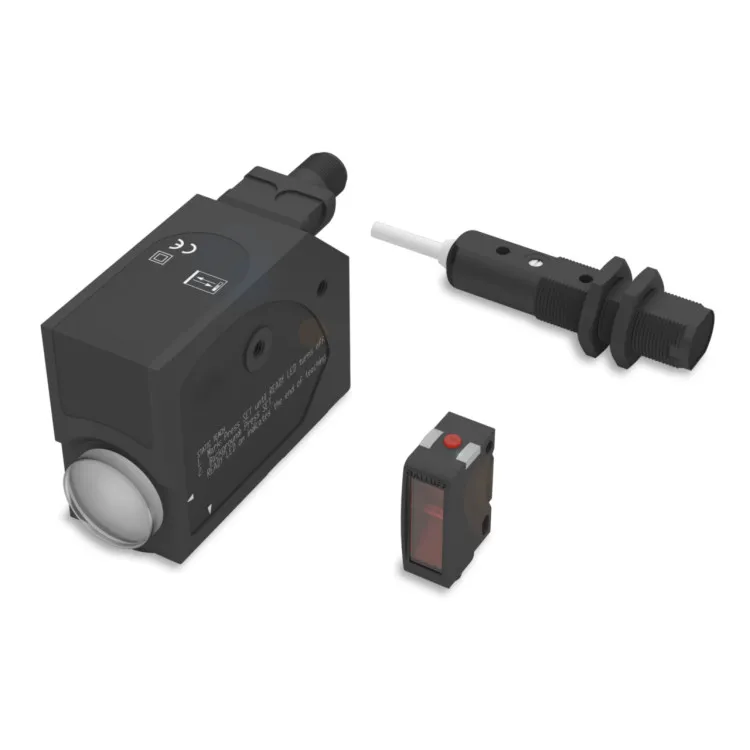
While colour sensors are highly effective for colour - related applications in the cosmetic industry, it is interesting to compare them with other types of sensors such as Counter Sensor and Contrast Sensor.
Counter sensors are mainly used for counting objects on a production line. They are useful for ensuring that the correct number of cosmetic products, such as lipsticks or compact powders, are packaged in each box. However, they do not provide any information about the colour of the products.
Contrast sensors, on the other hand, are used to detect differences in contrast between objects or markings. They can be used in the cosmetic industry to detect labels or markings on product packaging. But they are not designed to measure the actual colour of the cosmetic product itself.
In summary, while counter sensors and contrast sensors have their own important roles in the cosmetic manufacturing process, colour sensors are specifically tailored to address the unique colour - related challenges in the industry.
Challenges and Considerations
Although colour sensors offer many benefits in the cosmetic industry, there are also some challenges and considerations to keep in mind.
One challenge is the influence of environmental factors on colour measurement. Factors such as lighting conditions, temperature, and humidity can affect the accuracy of the colour sensor. To overcome this, it is important to use the sensor in a controlled environment or to calibrate the sensor regularly to account for these variations.
Another consideration is the cost of the colour sensor. High - precision spectrophotometric sensors can be relatively expensive, which may be a barrier for some small - to - medium - sized cosmetic manufacturers. However, as technology advances, the cost of colour sensors is gradually decreasing, making them more accessible to a wider range of companies.
Conclusion
In conclusion, a colour sensor can be a valuable tool in the cosmetic industry. It offers significant benefits in terms of quality control, colour matching, and product development. By accurately measuring the colour of cosmetic products, manufacturers can ensure consistent quality, meet customer expectations, and develop innovative products.
If you are in the cosmetic industry and are interested in exploring how our Colour Sensor can improve your manufacturing process, we invite you to contact us for a detailed discussion. Our team of experts is ready to provide you with customized solutions based on your specific needs.
References
- Smith, J. (2018). "Advances in Colour Sensing Technology". Journal of Optoelectronics.
- Brown, A. (2019). "Quality Control in the Cosmetic Industry". Cosmetic Science Review.
- Green, C. (2020). "Colour Matching in Cosmetics: A Practical Guide". Cosmetic Manufacturing Magazine.