
Hey there! As a supplier of Contrast Sensors, I often get asked if these sensors can be used in the automotive industry. Well, let me tell you, the answer is a resounding yes! In this blog, I'll dive into how contrast sensors play a crucial role in the automotive world, and why they're a must - have for many automotive applications.
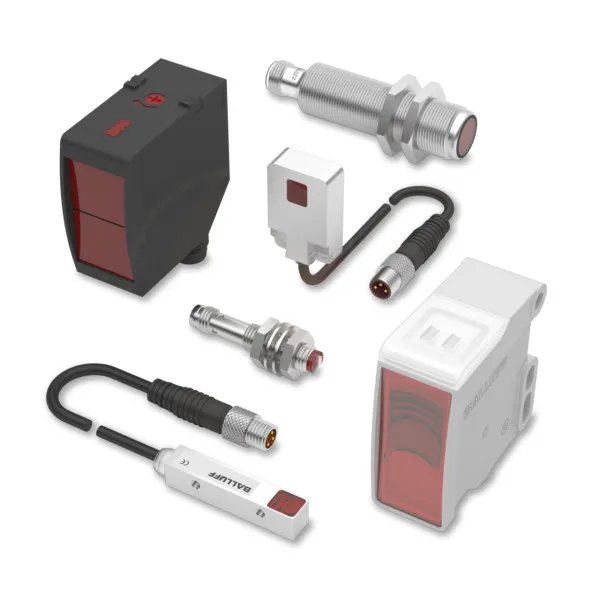
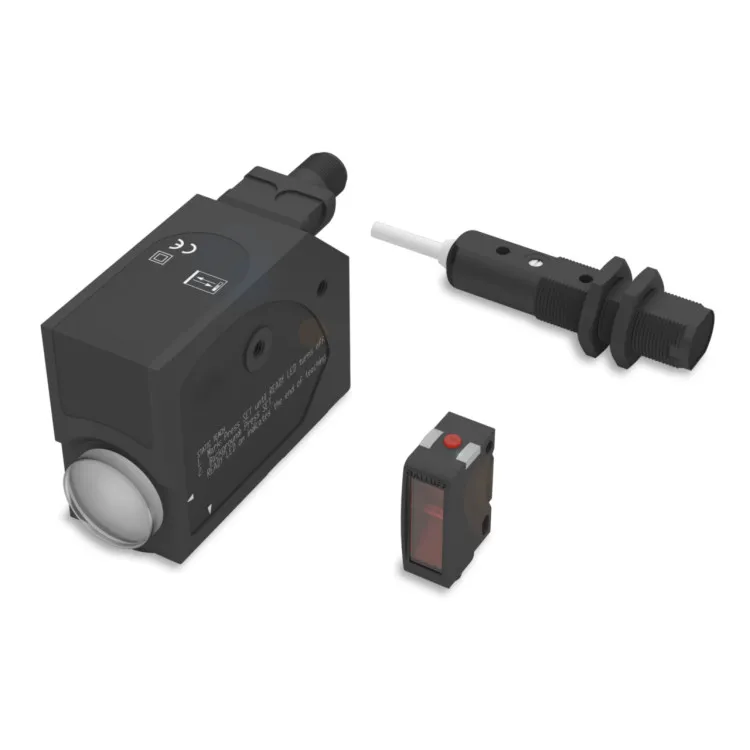
First off, let's quickly understand what a contrast sensor is. A Contrast Sensor is a type of optoelectronic sensor that detects differences in contrast between two adjacent areas. It works by emitting light onto a target surface and then measuring the amount of light that's reflected back. Based on the intensity of the reflected light, the sensor can distinguish between areas of different colors or shades.
Now, let's talk about the automotive industry. It's a highly competitive and high - tech field where precision, quality control, and efficiency are of the utmost importance. And that's where contrast sensors come in.
Quality Control in Automotive Manufacturing
One of the primary uses of contrast sensors in the automotive industry is for quality control. During the manufacturing process, there are numerous components that need to be inspected for proper assembly, color consistency, and surface finish.
For example, when painting car bodies, contrast sensors can be used to ensure that the paint job is uniform. They can detect any variations in color or shade across the surface of the car. If there's a spot where the paint is too light or too dark, the sensor can send a signal to the manufacturing system, and the issue can be addressed immediately. This helps in maintaining high - quality standards and reducing the number of defective products.
Another area where contrast sensors are useful is in the inspection of interior components. Things like dashboard panels, seat covers, and door trims need to have consistent colors and patterns. A Colour Sensor can be used in conjunction with a contrast sensor to ensure that the colors match the specifications. The contrast sensor can detect any differences in the contrast of patterns, such as stitching on a seat cover or the texture of a dashboard panel.
Assembly Line Automation
The automotive assembly line is a complex system where various parts need to be assembled in a precise order. Contrast sensors play a vital role in automating this process.
They can be used to detect the presence or absence of components on the assembly line. For instance, if a particular part is supposed to have a specific contrast pattern, the sensor can quickly determine if the part is in the correct position and is the right part. This helps in preventing errors during assembly, such as missing parts or incorrect part placement.
Moreover, contrast sensors can be used to guide robotic arms during the assembly process. By detecting the contrast of reference points on the parts, the robotic arm can accurately position and install the components. This not only speeds up the assembly process but also improves the overall accuracy of the assembly.
Material Handling and Sorting
In the automotive industry, there's a constant need to handle and sort different materials and components. Contrast sensors can be used to make this process more efficient.
For example, in a parts warehouse, different types of automotive parts may have different contrast characteristics. A contrast sensor can be used to sort these parts based on their contrast patterns. This helps in organizing the inventory and making it easier to locate and retrieve parts when needed.
Similarly, during the recycling process of automotive components, contrast sensors can be used to separate different types of materials. For instance, they can distinguish between plastic parts of different colors or between metal and non - metal components based on their contrast, making the recycling process more effective.
Tire Manufacturing
Tire manufacturing is another area where contrast sensors find applications. During the tire production process, the sidewalls of the tires need to have a consistent appearance. Contrast sensors can be used to inspect the printing on the sidewalls, such as tire size, brand name, and other markings.
They can ensure that the printing is clear, legible, and in the correct position. If there are any issues with the contrast of the printing, such as smudging or incomplete letters, the sensor can detect it, and the tire can be rejected or re - worked.
Challenges and Considerations
While contrast sensors offer many benefits in the automotive industry, there are also some challenges and considerations.
One of the main challenges is the environmental conditions in automotive manufacturing plants. These plants can be noisy, dirty, and have high levels of vibration. Contrast sensors need to be able to operate reliably in such harsh environments. That's why it's important to choose sensors that are rugged and have a high level of resistance to dust, moisture, and vibration.
Another consideration is the calibration of the sensors. To ensure accurate detection, the contrast sensors need to be properly calibrated for the specific applications. This may require some technical expertise and regular maintenance to adjust the sensor settings as needed.
Conclusion
In conclusion, contrast sensors have a wide range of applications in the automotive industry. From quality control and assembly line automation to material handling and tire manufacturing, they play a crucial role in improving efficiency, accuracy, and quality in the automotive manufacturing process.
If you're in the automotive industry and are looking for a reliable way to enhance your manufacturing processes, a contrast sensor might be just what you need. As a supplier of contrast sensors, we have a variety of high - quality sensors that are designed to meet the specific needs of the automotive industry.
Whether you're looking to improve your quality control, automate your assembly line, or optimize your material handling processes, our contrast sensors can provide the solution. So, if you're interested in learning more about how our contrast sensors can benefit your automotive operations, don't hesitate to get in touch with us. We'd be more than happy to discuss your requirements and provide you with the best possible solution.
References
- Smith, J. (2020). Optoelectronic Sensors in Industrial Applications. Industrial Sensors Journal, 15(2), 45 - 56.
- Johnson, A. (2019). Automotive Manufacturing Automation: The Role of Sensors. Automotive Technology Review, 22(3), 78 - 89.
- Brown, C. (2021). Quality Control in the Automotive Industry: Sensor - Based Solutions. Manufacturing Quality Magazine, 18(4), 32 - 41.