
In the evolving landscape of industrial automation and smart building technologies, the integration of diverse systems has become a key focus. One such technology that has been gaining significant traction is IO-Link, a standardized communication protocol (IEC 61131-9) that enables communication between sensors, actuators, and control systems. As an IO-Link supplier, I often get asked about the potential applications of IO-Link, and one area that has piqued interest is lighting control systems. In this blog post, I will explore whether IO-Link can be used in lighting control systems, the benefits it offers, and the challenges that may arise.
Understanding IO-Link
Before delving into its application in lighting control systems, it's essential to understand what IO-Link is. IO-Link is a point-to-point communication protocol that allows for bidirectional data exchange between an IO-Link master and IO-Link devices. It operates on a three-wire connection, which includes power, ground, and a communication line. This simplicity in wiring makes it an attractive option for industrial applications, as it reduces installation costs and complexity.
IO-Link devices can range from simple sensors and actuators to more complex devices with advanced diagnostic capabilities. The protocol supports different data transfer rates, allowing for flexibility in various applications. Additionally, IO-Link provides a standardized interface, which means that devices from different manufacturers can be easily integrated into a single system.
The Case for Using IO-Link in Lighting Control Systems
There are several compelling reasons why IO-Link can be a valuable addition to lighting control systems.
1. Precision Control
One of the primary advantages of IO-Link in lighting control is the ability to achieve precise control over individual light fixtures. Traditional lighting control systems often rely on group or zone-based control, where multiple lights are controlled as a single unit. With IO-Link, each light fixture can be addressed individually, allowing for customized lighting scenes and precise dimming control. This level of control is particularly useful in applications such as retail stores, museums, and offices, where different lighting levels may be required in different areas.
2. Energy Efficiency
IO-Link enables real-time monitoring and adjustment of lighting levels based on environmental conditions. For example, sensors can be used to measure ambient light levels, occupancy, and temperature. The lighting control system can then adjust the brightness of the lights accordingly, ensuring that energy is not wasted on unnecessary illumination. This dynamic control can lead to significant energy savings, which is a key consideration for both commercial and residential buildings.
3. Diagnostic Capabilities
IO-Link devices can provide valuable diagnostic information about the health and performance of the lighting fixtures. For instance, they can detect faults such as burned-out bulbs, loose connections, or overheating. This information can be transmitted to the control system, allowing for proactive maintenance and reducing downtime. By identifying and addressing issues early, the overall lifespan of the lighting system can be extended, and maintenance costs can be minimized.
4. Integration with Existing Systems
As an IO-Link supplier, I understand the importance of seamless integration with existing systems. IO-Link can be easily integrated into larger automation systems, such as building management systems (BMS) or industrial control systems. This integration allows for centralized control and monitoring of the lighting system, along with other building functions such as HVAC, security, and access control. For example, you can use our Multi-protocol Network Module to connect IO-Link devices to different network protocols, ensuring compatibility with a wide range of systems.
Implementing IO-Link in Lighting Control Systems
To implement IO-Link in a lighting control system, several components are required.
IO-Link Master
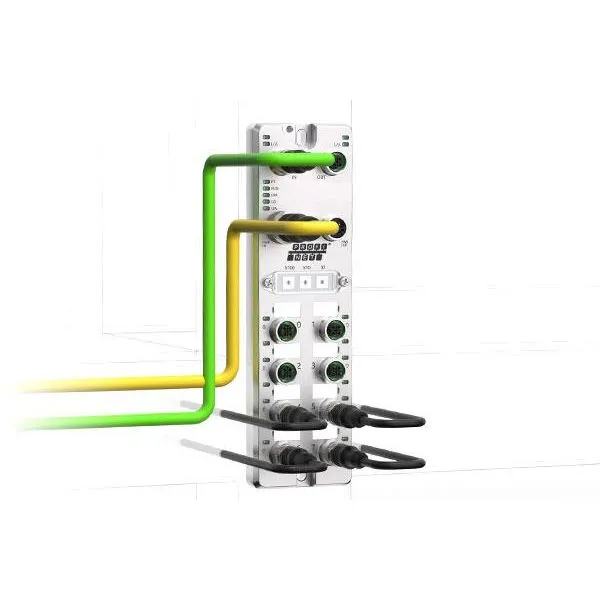
The IO-Link master serves as the central hub of the system, managing the communication between the control system and the IO-Link devices. It is responsible for sending commands to the devices and receiving data from them. Our IO-Link Device Module can be used as an IO-Link master, providing a reliable and efficient solution for connecting multiple IO-Link devices.
IO-Link Devices
In the context of lighting control, the IO-Link devices would typically include light fixtures with IO-Link interfaces, as well as sensors for ambient light, occupancy, and temperature. These devices are connected to the IO-Link master using the three-wire IO-Link connection.
Communication Network
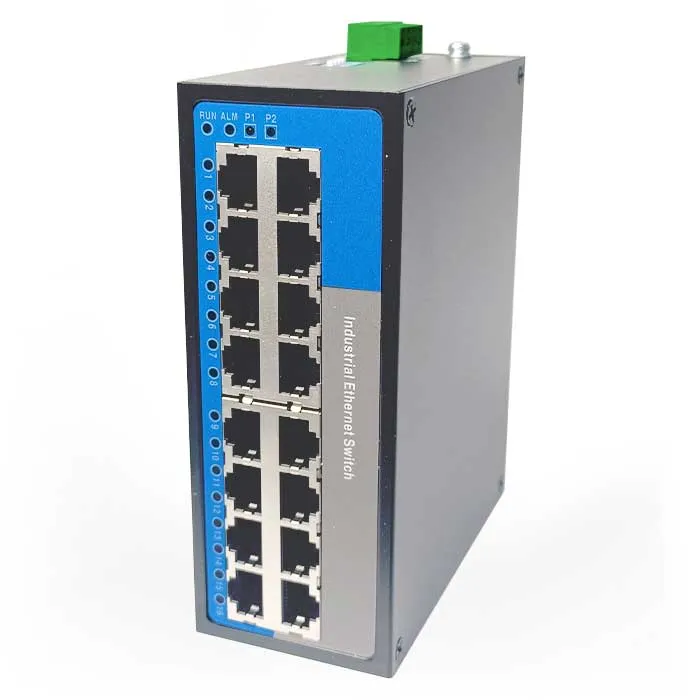
A communication network is required to transmit data between the IO-Link master and the control system. This can be a wired or wireless network, depending on the specific requirements of the application. Our Unmanaged Switch can be used to create a reliable and scalable network for connecting multiple IO-Link masters and other devices.
Challenges and Considerations
While the benefits of using IO-Link in lighting control systems are significant, there are also some challenges and considerations that need to be addressed.
Cost
One of the main challenges is the initial cost of implementing an IO-Link-based lighting control system. IO-Link devices and masters can be more expensive than traditional lighting control components. However, it's important to consider the long-term benefits, such as energy savings and reduced maintenance costs, which can offset the initial investment over time.
Compatibility
Ensuring compatibility between different IO-Link devices and masters is crucial. As an IO-Link supplier, we work closely with device manufacturers to ensure that our products are fully compatible with a wide range of devices. However, it's still important to test the system thoroughly before deployment to avoid any compatibility issues.
Technical Expertise
Implementing an IO-Link-based lighting control system requires a certain level of technical expertise. System integrators and installers need to be familiar with the IO-Link protocol and the specific requirements of the lighting control application. We provide comprehensive training and support to our customers to help them overcome these challenges.
Conclusion
In conclusion, IO-Link has the potential to revolutionize lighting control systems by providing precise control, energy efficiency, diagnostic capabilities, and seamless integration with existing systems. While there are some challenges and considerations, the long-term benefits make it a viable option for both commercial and residential applications.
As an IO-Link supplier, we are committed to providing high-quality products and solutions that enable our customers to take advantage of the latest technologies. If you are interested in exploring the use of IO-Link in your lighting control system, I encourage you to contact us for a consultation. Our team of experts can help you design and implement a customized solution that meets your specific needs.
References
- IEC 61131-9: Programmable controllers - Part 9: IO-Link communication profile
- "IO-Link: The Future of Industrial Communication" by Automation World
- "Lighting Control Systems: Trends and Technologies" by Building Design + Construction