
Hey there! I'm a supplier of Textile VFDs, and today I wanna chat about whether Textile VFD can be integrated with other control systems. It's a question that comes up quite often in our industry, and I think it's super important to dive into it.
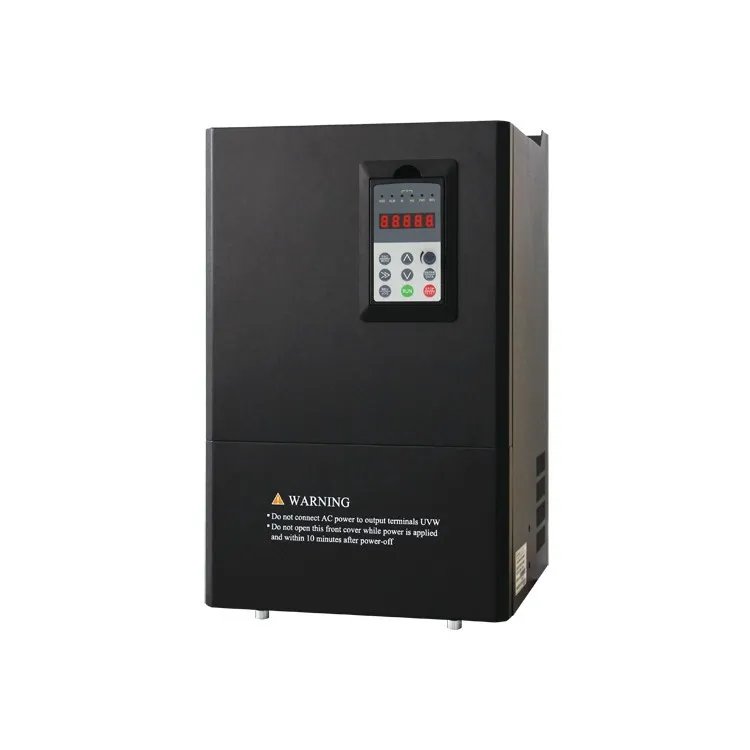
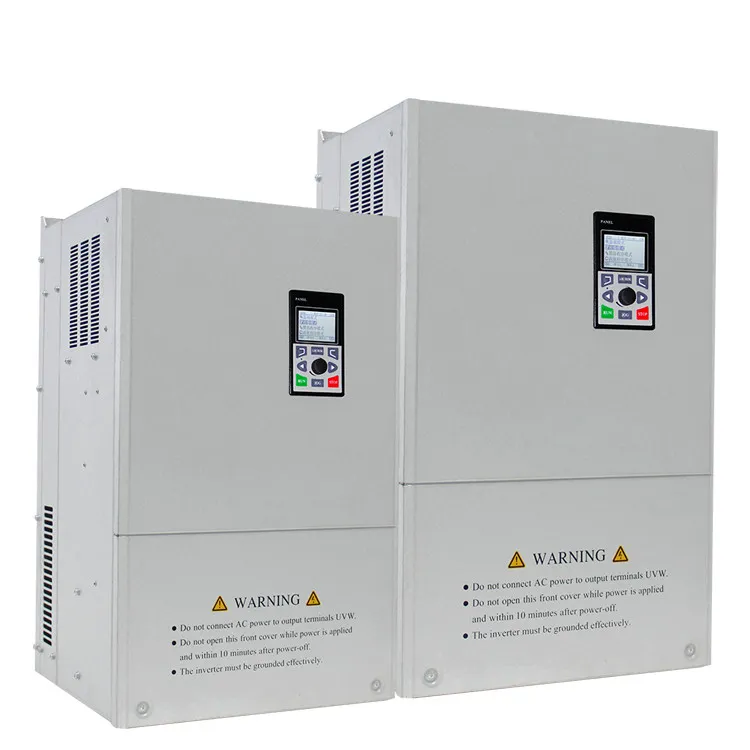
First off, let's quickly understand what a Textile VFD is. A Textile VFD is a variable frequency drive specifically designed for textile machinery. It helps control the speed and torque of electric motors in textile equipment, ensuring smooth and efficient operation. Now, when we talk about integrating it with other control systems, we're looking at the possibility of making it work in harmony with different types of systems to enhance overall performance.
One of the key aspects to consider is the communication protocols. Different control systems use various communication protocols to exchange data. For Textile VFDs, common protocols like Modbus, Profibus, and CANopen are often used. These protocols act as a sort of language that allows the VFD to communicate with other devices in the control system. If the other control systems support these protocols, then integration becomes much easier.
Let's take an example. Suppose we have a textile factory with a centralized control system that manages multiple processes. The Textile VFD can be integrated into this system using a supported communication protocol. This way, the central control system can monitor and adjust the speed and operation of the textile machinery connected to the VFD. It can also receive feedback from the VFD, such as motor status and energy consumption data. This real - time data exchange can lead to better process optimization and energy savings.
Another factor is the compatibility of the hardware. The physical interfaces of the Textile VFD and the other control systems need to match. For instance, the power supply requirements, input/output connections, and mounting options should be compatible. If the hardware doesn't match, additional adapters or modifications may be required, which can add to the cost and complexity of the integration.
Now, let's talk about some of the benefits of integrating Textile VFD with other control systems. One major advantage is improved automation. By integrating the VFD with a programmable logic controller (PLC) or a supervisory control and data acquisition (SCADA) system, we can create automated sequences for the textile machinery. For example, the system can automatically adjust the speed of the spinning machines based on the quality of the yarn being produced. This not only improves product quality but also reduces the need for manual intervention.
Energy efficiency is another big plus. When the Textile VFD is integrated with an energy management system, it can be programmed to operate at the most energy - efficient speed. The energy management system can analyze the power consumption data from the VFD and make adjustments accordingly. This can lead to significant cost savings in the long run.
However, there are also some challenges in integrating Textile VFD with other control systems. One of the main challenges is the complexity of the programming. Each control system may have its own programming language and requirements. Integrating the VFD may require a skilled programmer who is familiar with both the VFD's programming and the programming of the other control system.
Security is also a concern. When different systems are integrated, there is a risk of cyber - attacks. The communication between the Textile VFD and other control systems needs to be secured to prevent unauthorized access and data breaches. This may involve implementing firewalls, encryption, and other security measures.
Now, let's compare Textile VFD with other types of VFDs, like Elevator VFD and Intelligent VFD. Elevator VFDs are designed for the specific requirements of elevator systems, such as smooth acceleration and deceleration, and precise floor - leveling. Their integration with elevator control systems is focused on safety and comfort. On the other hand, Intelligent VFDs are more advanced and often come with built - in intelligence for self - diagnosis and optimization. They can be integrated with a wider range of control systems due to their enhanced features.
In the textile industry, the demand for integration is growing. As factories become more automated and connected, the need to integrate Textile VFD with other control systems becomes crucial. We're seeing more and more textile manufacturers looking for solutions that can seamlessly integrate their VFDs with their existing or new control systems.
If you're in the textile business and are considering integrating your Textile VFD with other control systems, I'd be more than happy to help. We have a team of experts who can assess your specific requirements and provide customized solutions. Whether it's about choosing the right communication protocol, dealing with hardware compatibility, or ensuring security, we've got you covered.
In conclusion, Textile VFD can definitely be integrated with other control systems, but it requires careful planning and consideration. The benefits of integration, such as improved automation, energy efficiency, and product quality, are well worth the effort. If you're interested in learning more about how we can help you with the integration of your Textile VFD, don't hesitate to reach out. Let's have a chat and see how we can take your textile operations to the next level.
References:
- Industry reports on textile automation and control systems
- Technical manuals of Textile VFDs and related control systems