
In the dynamic landscape of industrial automation, valve islands have emerged as a cornerstone technology, streamlining pneumatic control systems and enhancing operational efficiency. As a leading supplier of valve islands, I often encounter inquiries from customers about the possibility of customization. This blog post aims to explore the concept of customizing valve islands, delving into the reasons behind customization, the customization process, and the benefits it offers to industrial applications.
Why Customize Valve Islands?
The decision to customize valve islands is driven by a variety of factors, each tailored to the unique requirements of industrial processes. One of the primary reasons is the need to integrate valve islands seamlessly into existing systems. Many industrial facilities have legacy equipment or specialized machinery that requires specific interfaces, communication protocols, or physical dimensions. By customizing valve islands, we can ensure compatibility with these systems, minimizing downtime and reducing the need for costly modifications.
Another key factor is the optimization of performance. Different applications have varying demands in terms of flow rate, pressure, and response time. Customization allows us to fine-tune the valve island's specifications to meet these requirements precisely. For example, in high-speed assembly lines, valves with fast response times can be selected to ensure rapid actuation and smooth operation. In applications where energy efficiency is a priority, valves with low power consumption can be integrated to reduce operating costs.
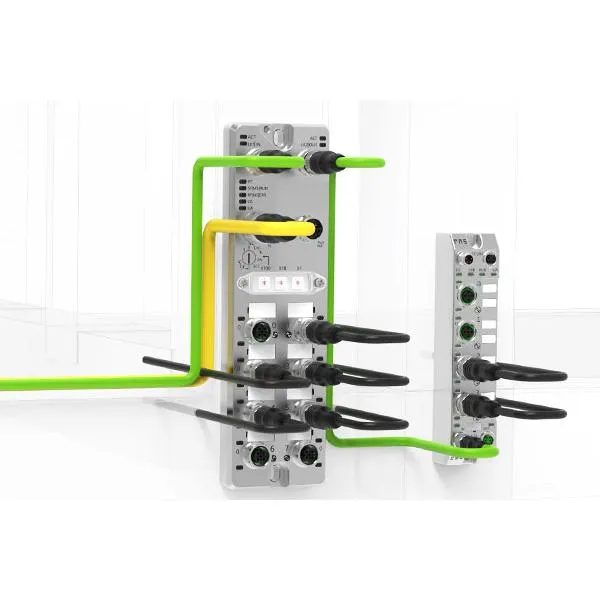
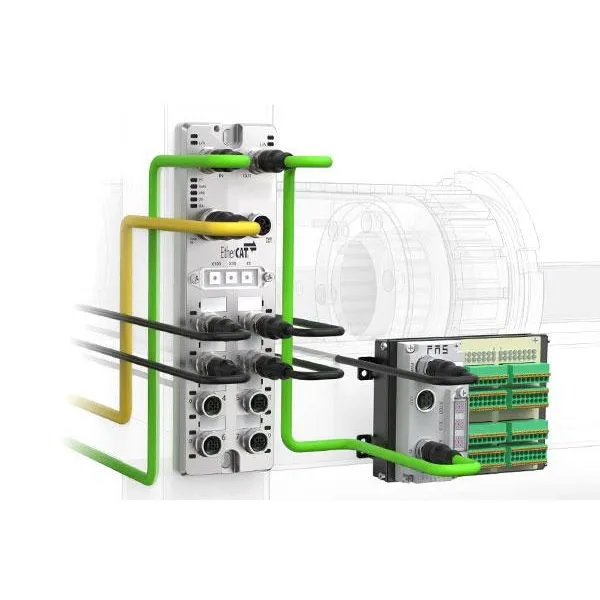
Customization also enables the incorporation of advanced features and technologies. With the advent of Industry 4.0, there is a growing demand for smart valve islands that can communicate with other devices and systems in real-time. By integrating IO-Link Master, Unmanaged Switch, or Multi-protocol Network Module, we can provide valve islands with enhanced connectivity, diagnostic capabilities, and remote monitoring functionality. These features not only improve system performance but also enable predictive maintenance, reducing the risk of unexpected downtime.
The Customization Process
The customization process begins with a thorough understanding of the customer's requirements. Our team of experienced engineers works closely with customers to gather detailed information about their application, including the type of pneumatic system, the number of valves required, the desired flow rate and pressure, and any specific features or interfaces needed. This information forms the basis for the design and development of a customized valve island solution.
Once the requirements are defined, our engineers use advanced design tools and simulation software to create a virtual model of the valve island. This allows us to visualize the design, analyze its performance, and make any necessary adjustments before manufacturing. The virtual model also serves as a communication tool between our team and the customer, enabling us to ensure that the final design meets their expectations.
After the design is finalized, the manufacturing process begins. We use state-of-the-art manufacturing equipment and techniques to produce high-quality valve islands that meet the strictest industry standards. Our manufacturing facilities are equipped with advanced testing equipment to ensure that each valve island undergoes rigorous quality control checks before it is shipped to the customer.
Throughout the customization process, we maintain open communication with the customer, providing regular updates on the progress of the project and addressing any concerns or questions they may have. Our goal is to ensure that the customer is fully satisfied with the final product and that it meets their specific requirements.
Benefits of Customized Valve Islands
Customized valve islands offer a range of benefits to industrial applications. One of the most significant benefits is improved system performance. By tailoring the valve island to the specific requirements of the application, we can optimize its flow rate, pressure, and response time, resulting in faster and more efficient operation. This can lead to increased productivity, reduced cycle times, and improved product quality.
Another benefit is enhanced reliability. Customized valve islands are designed to withstand the harsh operating conditions of industrial environments, ensuring long-term reliability and durability. By using high-quality materials and components, we can minimize the risk of valve failure and reduce maintenance requirements. This not only saves time and money but also improves the overall reliability of the pneumatic system.
Customized valve islands also offer greater flexibility. They can be easily integrated into existing systems or designed to work with new equipment, providing a cost-effective solution for upgrading or expanding pneumatic control systems. Additionally, the ability to incorporate advanced features and technologies allows for greater control and monitoring of the system, enabling real-time adjustments and optimization.
Conclusion
In conclusion, valve islands can indeed be customized to meet the unique requirements of industrial applications. The ability to customize valve islands offers a range of benefits, including improved system performance, enhanced reliability, and greater flexibility. As a leading supplier of valve islands, we have the expertise and experience to design and manufacture customized solutions that meet the highest standards of quality and performance.
If you are interested in learning more about our customized valve island solutions or would like to discuss your specific requirements, please do not hesitate to contact us. Our team of experts is ready to assist you in finding the perfect valve island solution for your application.
References
- "Pneumatic Systems Handbook," edited by Peter Dyke.
- "Industrial Automation and Control Systems," by David A. Bell.
- "Industry 4.0: The Future of Productivity and Growth in Manufacturing Industries," by Klaus Schwab.