

Hey there! As a supplier of Colour Sensors, I often get asked how these nifty devices detect color in fluorescent materials. It's a fascinating topic, and I'm excited to share the ins and outs with you.
First off, let's understand what fluorescent materials are. Fluorescent substances have a unique property: when they absorb light of a certain wavelength, they re - emit light at a longer wavelength. This is different from regular materials that simply reflect light. For example, those bright neon signs you see on the streets use fluorescent materials to create their eye - catching glow.
So, how does a Colour Sensor come into play here? Well, a typical colour sensor works by emitting light onto a target material and then analyzing the light that is reflected or emitted back. In the case of fluorescent materials, the process is a bit more complex but still based on the same fundamental principles.
Most colour sensors have a light source, usually an LED or a set of LEDs that emit light across a broad spectrum. When this light hits a fluorescent material, part of it is absorbed by the material. The absorbed light causes the electrons in the fluorescent molecules to get excited and jump to a higher energy level.
As these electrons return to their normal energy levels, they release the excess energy in the form of light. This emitted light has a different wavelength and color compared to the original light that was shone on the material. The colour sensor's job is to pick up this emitted light and figure out its exact color.
The sensor has a detector that can measure the intensity of light at different wavelengths. It breaks down the incoming light into its component colors, much like a prism splits white light into a rainbow. By analyzing the intensity of each color component, the sensor can determine the exact color of the light being emitted by the fluorescent material.
Let's talk about the technology behind the detector. Many modern colour sensors use a technique called spectrometry. This involves using a diffraction grating or a prism inside the sensor to separate the light into its different wavelengths. The detector then measures the intensity of each wavelength, creating a spectral profile of the light.
Another important aspect is calibration. Before a colour sensor can accurately detect the color of fluorescent materials, it needs to be calibrated. Calibration involves exposing the sensor to known colors and adjusting its internal settings so that it can accurately measure and distinguish between different colors. This is especially crucial when dealing with fluorescent materials because their unique emission characteristics can vary widely.
Now, how does all of this compare to other types of sensors? For instance, a Counter Sensor is mainly used to count objects passing by a certain point. It doesn't really deal with color detection at all. On the other hand, a Contrast Sensor is designed to detect differences in contrast between two areas. While it can give some information about color differences, it's not as precise as a colour sensor when it comes to identifying the exact color of a fluorescent material.
In industrial applications, the ability of a colour sensor to detect color in fluorescent materials is incredibly useful. For example, in the printing industry, fluorescent inks are often used to create special effects. A colour sensor can ensure that the printed colors match the desired specifications, even when dealing with these tricky fluorescent inks.
In the food and beverage industry, fluorescent materials can be used for quality control. Some substances in food can fluoresce under certain conditions, and a colour sensor can detect changes in the fluorescence, indicating potential spoilage or contamination.
In the world of textiles, fluorescent dyes are used to create bright and vibrant colors. A colour sensor can be used to monitor the dyeing process, making sure that the colors are consistent across batches.
Now, if you're in an industry that requires accurate color detection of fluorescent materials, you're probably wondering how to choose the right colour sensor. First, consider the range of colors you need to detect. Some sensors are better at detecting certain colors or color ranges than others.
Also, think about the sensitivity of the sensor. Fluorescent materials can have very low levels of emission, so you need a sensor that can pick up these faint signals. The response time is another important factor. In high - speed manufacturing processes, you need a sensor that can quickly analyze the color and provide feedback.
If you're looking for a reliable and high - quality colour sensor for detecting the color of fluorescent materials, look no further. As a supplier, I can offer a wide range of colour sensors that are specifically designed for this purpose. Our sensors are calibrated to provide accurate and consistent results, even in challenging environments.
Whether you're in the printing, food, textile, or any other industry that relies on color detection, we have the solution for you. If you're interested in learning more about our products or have any questions about how our colour sensors work with fluorescent materials, don't hesitate to get in touch. We're here to help you make the right choice for your business.
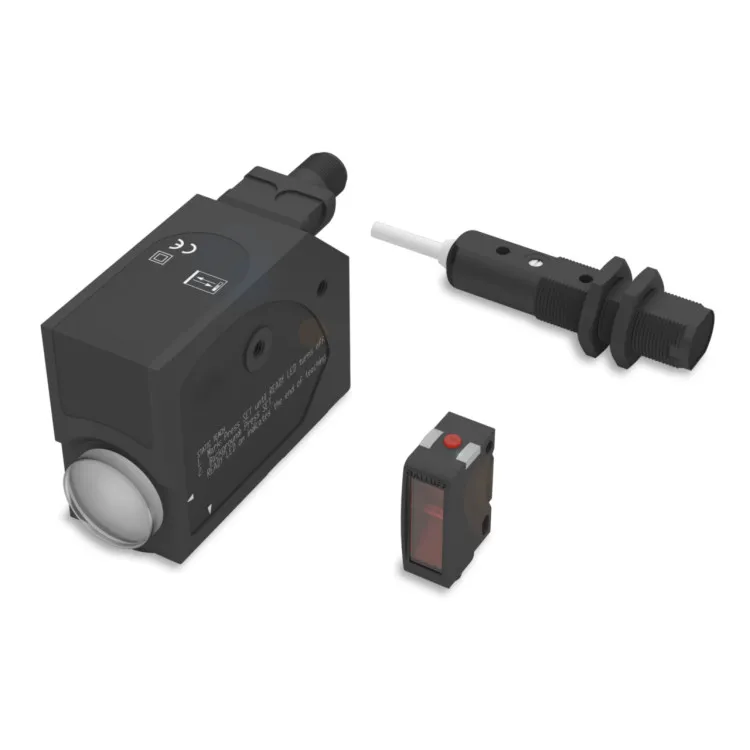
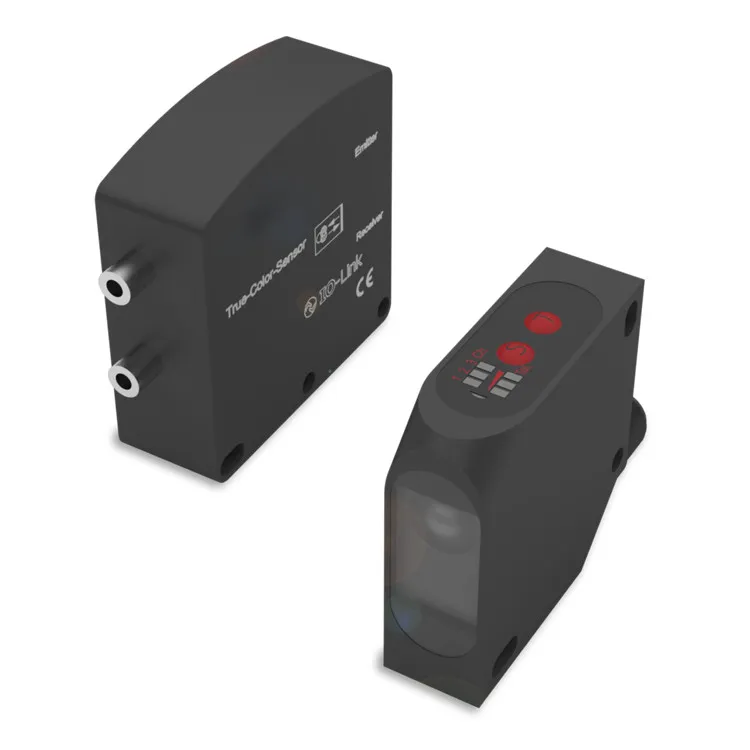
Contact us today to start a conversation about your colour sensing needs. We're eager to work with you and help you achieve the best results in your color - detection applications.
References
- "Fluorescence Spectroscopy: Principles and Applications" by Joseph R. Lakowicz
- "Optoelectronic Sensors: Fundamentals and Applications" by various authors in the field of optoelectronics