

Diagnosing the failure of an AC servo motor driver is a crucial skill for anyone involved in the operation and maintenance of industrial equipment. As an AC servo motor supplier, I have encountered various issues with servo motor drivers over the years. In this blog, I will share some practical steps and techniques to help you diagnose these failures effectively.
Understanding the Basics of an AC Servo Motor Driver
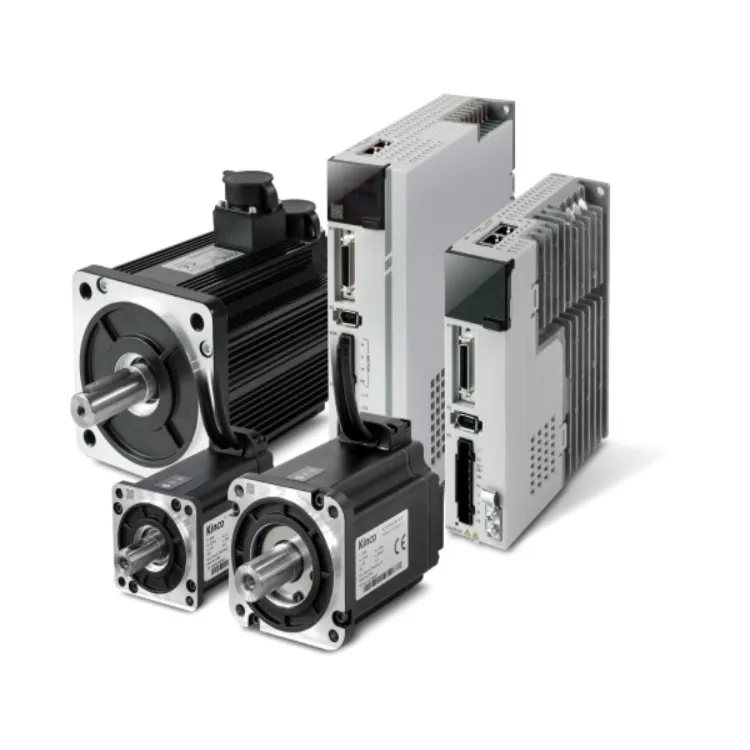
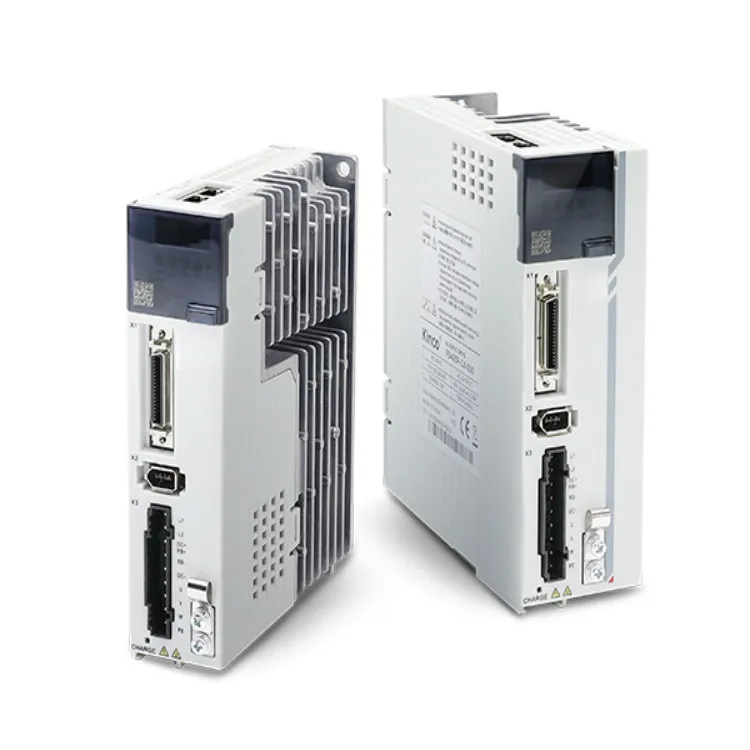
Before diving into the diagnosis process, it's essential to have a basic understanding of how an AC servo motor driver works. An AC servo motor driver is an electronic device that controls the speed, torque, and position of an AC servo motor. It receives input signals from a controller, such as a PLC or a motion controller, and converts them into appropriate electrical signals to drive the motor.
The main components of an AC servo motor driver include a power supply unit, a control circuit, an inverter circuit, and a feedback system. The power supply unit provides the necessary electrical power to the driver. The control circuit processes the input signals and generates the control commands for the inverter circuit. The inverter circuit converts the DC power from the power supply unit into AC power with variable frequency and voltage to drive the motor. The feedback system, typically consisting of an encoder or a resolver, provides information about the motor's position, speed, and torque to the control circuit for closed-loop control.
Initial Checks
When you suspect a failure in an AC servo motor driver, the first step is to perform some initial checks. These checks can help you identify some common issues quickly.
Visual Inspection
Start by visually inspecting the driver for any obvious signs of damage, such as burnt components, loose connections, or signs of overheating. Check the wiring connections to ensure they are secure and there are no frayed or damaged wires. Look for any error codes displayed on the driver's control panel. These error codes can provide valuable clues about the nature of the problem.
Power Supply
Verify that the driver is receiving the correct power supply. Check the voltage and frequency of the input power. An incorrect power supply can cause the driver to malfunction or even damage the components. Use a multimeter to measure the voltage at the driver's power input terminals. Make sure the voltage is within the specified range for the driver.
Control Signals
Check the control signals from the controller to the driver. Ensure that the input signals are within the correct range and that there are no broken or loose connections. You can use an oscilloscope to monitor the control signals and check for any abnormalities.
Diagnostic Techniques
If the initial checks do not reveal the problem, you can use some diagnostic techniques to further investigate the issue.
Using Diagnostic Tools
Many modern AC servo motor drivers come with built-in diagnostic features. These features can provide detailed information about the driver's operation and help you identify the source of the problem. For example, some drivers can display the current, voltage, and temperature readings of the internal components. You can also use diagnostic software provided by the manufacturer to communicate with the driver and perform advanced diagnostic functions, such as parameter monitoring and fault logging.
Component Testing
If you suspect a specific component in the driver is faulty, you can test it using appropriate testing equipment. For example, you can use a multimeter to test the resistance of resistors, the capacitance of capacitors, and the continuity of wires. You can also use a transistor tester to test the transistors and other semiconductor components.
Function Testing
Perform function testing on the driver to verify its operation. This can involve running the motor at different speeds and loads and monitoring the driver's performance. Check if the motor is running smoothly, if the speed and torque are within the expected range, and if there are any abnormal noises or vibrations. You can also perform a step response test to check the driver's dynamic performance.
Common Failure Modes and Solutions
Here are some common failure modes of AC servo motor drivers and their possible solutions:
Overheating
Overheating is a common problem in AC servo motor drivers. It can be caused by various factors, such as excessive load, poor ventilation, or a faulty cooling system. To solve this problem, check the motor's load and make sure it is within the rated capacity. Clean the cooling fins and fans to ensure proper ventilation. If the cooling system is faulty, replace the damaged components.
Overcurrent
An overcurrent condition can occur when the motor draws more current than the driver can handle. This can be caused by a short circuit in the motor or the driver, a mechanical problem with the motor, or an incorrect setting of the driver's current limit. To diagnose this problem, check the motor's insulation resistance using a megger. If the insulation resistance is low, there may be a short circuit in the motor. Check the mechanical components of the motor for any signs of damage or obstruction. Adjust the driver's current limit settings if necessary.
Communication Errors
Communication errors between the controller and the driver can cause the driver to malfunction. These errors can be caused by a faulty communication cable, incorrect communication settings, or a problem with the controller itself. Check the communication cable for any damage or loose connections. Verify the communication settings on both the controller and the driver. If the problem persists, check the controller for any faults.
Conclusion
Diagnosing the failure of an AC servo motor driver requires a combination of knowledge, experience, and the right diagnostic tools. By following the steps and techniques outlined in this blog, you can effectively identify and solve most common problems with AC servo motor drivers.
As an AC servo motor supplier, we offer a wide range of high-quality 1.5Kw Servo Motor, Single Phase AC Servo Motor, and 3 Phase AC Servo Motor. If you have any questions or need further assistance with your AC servo motor driver, please feel free to contact us for procurement and further discussion.
References
- "Servo Motors and Drives: Basics, Selection, and Application" by William M. Preece
- "Motion Control Basics" by Yaskawa America, Inc.
- Manufacturer's manuals and technical documentation for AC servo motor drivers