

In the realm of automation and robotics, DC servo drivers play a pivotal role in ensuring precise and efficient control of DC servo motors. As a seasoned DC servo driver supplier, I've witnessed firsthand the transformative impact that these devices can have on various applications, from industrial machinery to consumer electronics. However, achieving optimal efficiency with a DC servo driver is not always straightforward. It requires a deep understanding of the technology, careful consideration of system design, and proactive maintenance. In this blog post, I'll share some practical tips and strategies to help you improve the efficiency of your DC servo driver.
Understanding the Basics of DC Servo Drivers
Before delving into efficiency improvement techniques, it's essential to have a solid grasp of how DC servo drivers work. A DC servo driver is an electronic device that controls the speed, torque, and position of a DC servo motor. It takes input signals from a controller, such as a PLC or a motion controller, and converts them into appropriate electrical signals to drive the motor. The driver continuously monitors the motor's performance and adjusts the output signals to maintain the desired operating conditions.
The efficiency of a DC servo driver is primarily determined by its power conversion efficiency, which is the ratio of the output power delivered to the motor to the input power consumed from the power supply. A higher power conversion efficiency means less energy is wasted as heat, resulting in lower operating costs and longer equipment lifespan. Other factors that can affect the efficiency of a DC servo driver include the quality of the components, the design of the control algorithm, and the operating conditions.
Optimizing System Design
One of the most effective ways to improve the efficiency of a DC servo driver is to optimize the system design. This involves selecting the right components, sizing the driver and motor correctly, and minimizing the electrical losses in the system. Here are some key considerations:
- Component Selection: Choose high-quality components with low resistance and low leakage current. This includes the power transistors, diodes, capacitors, and inductors. High-quality components not only improve the efficiency of the driver but also enhance its reliability and performance.
- Driver and Motor Sizing: Select a DC servo driver that is appropriately sized for the motor and the application. An oversized driver can lead to unnecessary power consumption, while an undersized driver may not be able to provide enough power to drive the motor efficiently. Consider the motor's rated power, torque, and speed requirements when selecting a driver.
- Wiring and Cabling: Use short, thick wires with low resistance to minimize the voltage drop and power losses in the wiring. Avoid using long or thin wires, as they can increase the resistance and reduce the efficiency of the system. Additionally, use shielded cables to reduce electromagnetic interference (EMI) and improve the reliability of the system.
- Heat Dissipation: Proper heat dissipation is crucial for maintaining the efficiency and reliability of a DC servo driver. Ensure that the driver is installed in a well-ventilated area and that there is adequate space around it for air circulation. Use heat sinks or fans to dissipate the heat generated by the driver, especially in high-power applications.
Tuning the Control Algorithm
The control algorithm used in a DC servo driver plays a significant role in its efficiency. A well-tuned control algorithm can optimize the motor's performance, reduce energy consumption, and improve the overall efficiency of the system. Here are some tips for tuning the control algorithm:
- Gain Adjustment: Adjust the gain parameters of the control algorithm to optimize the motor's response and stability. The gain parameters determine how quickly the driver responds to changes in the input signal and how well it can maintain the desired operating conditions. However, setting the gain too high can lead to instability and oscillations, while setting it too low can result in slow response and poor performance.
- Speed and Torque Control: Use appropriate speed and torque control strategies to optimize the motor's performance and energy consumption. For example, in applications where the motor operates at a constant speed, using a speed control loop can help maintain the desired speed and reduce the power consumption. In applications where the motor needs to provide variable torque, using a torque control loop can help optimize the torque output and improve the efficiency.
- Regenerative Braking: Implement regenerative braking in the control algorithm to recover the energy generated by the motor during deceleration and braking. Regenerative braking can significantly reduce the energy consumption of the system, especially in applications where the motor frequently starts and stops or operates in a braking mode.
Monitoring and Maintenance
Regular monitoring and maintenance are essential for ensuring the long-term efficiency and reliability of a DC servo driver. By monitoring the driver's performance and detecting any potential issues early, you can take proactive measures to prevent breakdowns and optimize the system's efficiency. Here are some key monitoring and maintenance tasks:
- Temperature Monitoring: Monitor the temperature of the driver and the motor regularly to ensure that they are operating within the recommended temperature range. High temperatures can reduce the efficiency of the driver and damage the components, leading to premature failure. Use temperature sensors or thermal imaging cameras to monitor the temperature and take appropriate action if the temperature exceeds the recommended limit.
- Power Consumption Monitoring: Monitor the power consumption of the driver and the motor to identify any abnormal or excessive power consumption. This can help you detect potential issues such as short circuits, overloading, or inefficient operation. Use power meters or energy monitoring systems to measure the power consumption and analyze the data to identify any trends or patterns.
- Regular Inspections and Cleaning: Perform regular inspections of the driver and the motor to check for any signs of damage, wear, or contamination. Clean the components regularly to remove any dust, dirt, or debris that can accumulate on the surface and affect the performance. Use compressed air or a soft brush to clean the components, and avoid using abrasive materials or solvents that can damage the components.
- Firmware Updates: Keep the firmware of the DC servo driver up to date to ensure that it has the latest features, bug fixes, and performance improvements. Firmware updates can often improve the efficiency and reliability of the driver, as well as enhance its compatibility with other components and systems. Check the manufacturer's website regularly for firmware updates and follow the instructions carefully to install them.
Conclusion
Improving the efficiency of a DC servo driver is a multifaceted process that requires a comprehensive approach. By understanding the basics of DC servo drivers, optimizing the system design, tuning the control algorithm, and performing regular monitoring and maintenance, you can significantly enhance the efficiency and reliability of your DC servo system. As a DC servo driver supplier, I'm committed to providing high-quality products and technical support to help you achieve optimal performance and efficiency in your applications.
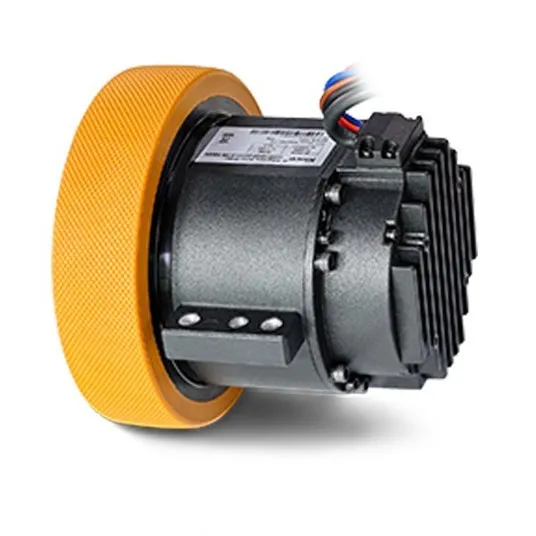
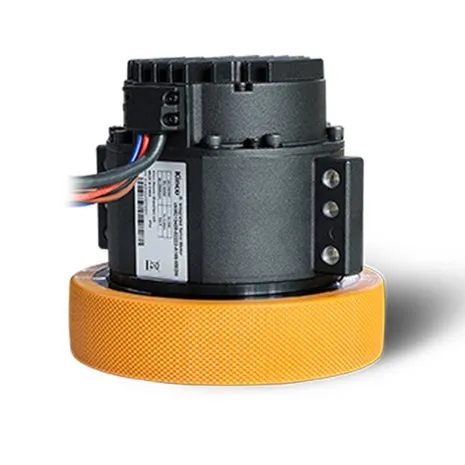
If you're interested in learning more about our Mini DC Servo Driver, Frameless Torque Motor, or Integrated Servo Wheel, or if you have any questions or need assistance with your DC servo system, please don't hesitate to contact us. Our team of experts is here to help you find the right solutions for your specific needs and requirements. Let's work together to improve the efficiency and performance of your automation and robotics systems.
References
- Dorf, R. C., & Bishop, R. H. (2016). Modern Control Systems. Pearson.
- Kuo, B. C., & Golnaraghi, F. (2017). Automatic Control Systems. Wiley.
- Ogata, K. (2010). Modern Control Engineering. Prentice Hall.