

Hey there! As a supplier of Textile VFDs, I've seen firsthand how crucial it is to optimize the installation space for these devices. In the textile industry, space is often at a premium, and making the most of every square inch can lead to significant cost savings and improved efficiency. So, let's dive into some tips on how to achieve that.
Understanding Your Textile VFD
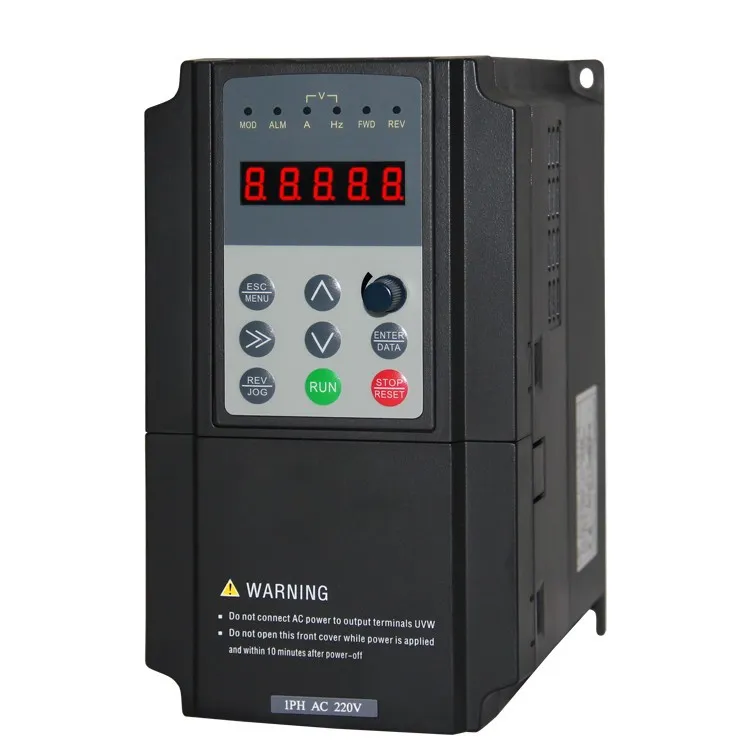
Before we start talking about space optimization, it's important to understand what a Textile VFD is and how it works. A Variable Frequency Drive (VFD) is a type of motor controller that adjusts the speed and torque of an electric motor by varying the frequency and voltage of the power supplied to it. In the textile industry, VFDs are used to control the speed of various machines, such as spinning frames, looms, and winding machines.
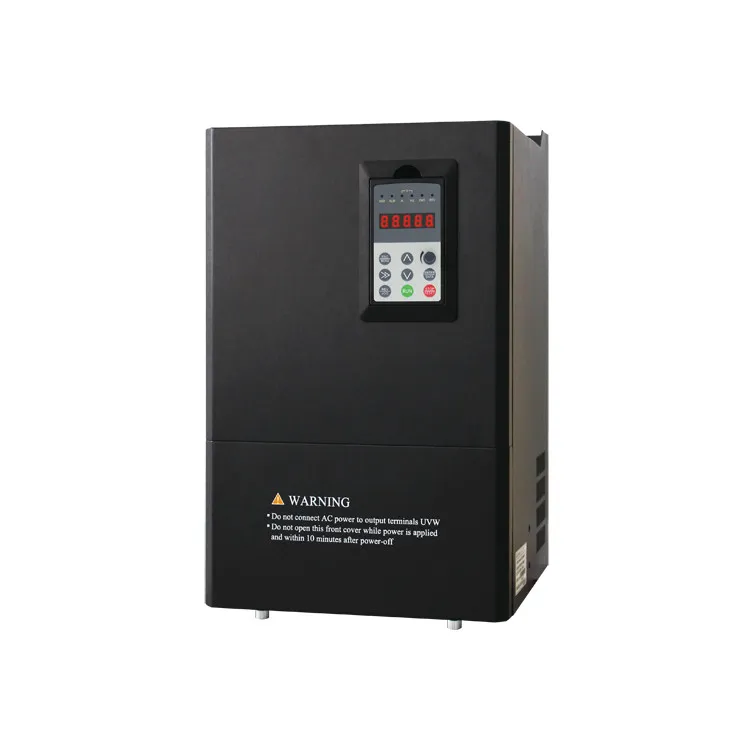
Textile VFDs come in different sizes and configurations, depending on the specific application and the power requirements of the motor. Some VFDs are designed to be installed in a control panel, while others can be mounted directly on the motor or in a remote location. Understanding the specifications and requirements of your Textile VFD is the first step in optimizing its installation space.
Planning the Installation
The key to optimizing the installation space for your Textile VFD is to plan ahead. Here are some steps to consider:
1. Evaluate the Space
Take a close look at the area where you plan to install the VFD. Measure the available space, including the height, width, and depth. Consider any obstacles, such as pipes, cables, or other equipment, that may affect the installation. Make sure there is enough room for ventilation and access for maintenance.
2. Choose the Right Location
Select a location that is close to the motor it will be controlling. This will minimize the length of the cables and reduce the risk of electrical interference. Avoid installing the VFD in areas with high levels of dust, moisture, or vibration, as these can damage the device.
3. Consider the Mounting Options
There are several mounting options available for Textile VFDs, including wall-mounted, panel-mounted, and floor-mounted. Choose the option that best suits your space and application requirements. Wall-mounted VFDs are a popular choice as they save floor space and can be easily accessed for maintenance.
4. Plan for Ventilation
Proper ventilation is essential for the reliable operation of your Textile VFD. Make sure there is enough space around the device for air to circulate. Consider installing a ventilation system, such as a fan or a heat exchanger, to remove heat generated by the VFD.
Optimizing the Layout
Once you have planned the installation, it's time to optimize the layout of the VFD and other components. Here are some tips:
1. Use Compact VFDs
When selecting a Textile VFD, choose a model that is compact and has a high power density. This will allow you to save space without sacrificing performance. Many modern VFDs are designed to be smaller and more efficient than their predecessors, making them ideal for space-constrained applications.
2. Group Components Together
Grouping related components together can help to save space and improve the organization of your installation. For example, you can mount the VFD, the motor starter, and the control panel in a single enclosure. This will reduce the amount of wiring and make it easier to access and maintain the components.
3. Use Cable Management
Proper cable management is essential for optimizing the installation space and reducing the risk of electrical problems. Use cable trays, conduits, and ties to organize the cables and keep them away from the VFD and other components. This will also make it easier to troubleshoot and repair any issues that may arise.
4. Consider Modular Design
Modular design is a great way to optimize the installation space for your Textile VFD. Many VFDs are available in modular configurations, which allow you to add or remove components as needed. This flexibility can help you to adapt to changing requirements and save space in the long run.
Other Considerations
In addition to the above tips, there are some other considerations to keep in mind when optimizing the installation space for your Textile VFD:
1. Safety
Safety should always be your top priority when installing a Textile VFD. Make sure the installation complies with all relevant safety standards and regulations. Use proper grounding and insulation to prevent electrical shocks and fires.
2. Maintenance
Regular maintenance is essential for the reliable operation of your Textile VFD. Make sure there is enough space around the device for easy access and maintenance. Keep the VFD clean and free of dust and debris.
3. Future Expansion
When planning the installation, consider the possibility of future expansion. Leave some extra space around the VFD and other components to allow for the addition of new equipment or upgrades. This will save you time and money in the long run.
Related VFDs
If you're interested in other types of VFDs, we also offer Lifting VFD, CNC VFD, and Intelligent VFD. These VFDs are designed for specific applications and offer unique features and benefits.
Conclusion
Optimizing the installation space for your Textile VFD is an important step in improving the efficiency and reliability of your textile production. By following the tips outlined in this blog, you can make the most of your available space and reduce the cost of installation and maintenance.
If you have any questions or need further assistance with your Textile VFD installation, please don't hesitate to contact us. We're here to help you find the best solution for your needs. Let's work together to optimize your textile production and take your business to the next level!
References
- "Variable Frequency Drives: Principles, Operation, and Application," by Bimal K. Bose
- "Electrical Installation Handbook," by Schneider Electric