
Hey there! As an industrial HMI supplier, I've had my fair share of chats with folks trying to wrap their heads around the difference between local and networked industrial HMIs. It's a topic that comes up a lot, so I thought I'd break it down in a way that's easy to understand.
Let's start with the basics. An HMI, or Human - Machine Interface, is like the middleman between humans and machines. It's the control panel or touch - screen that operators use to interact with industrial equipment. Whether it's a factory floor machine, a power plant system, or a water treatment facility, HMIs are crucial for getting the job done.
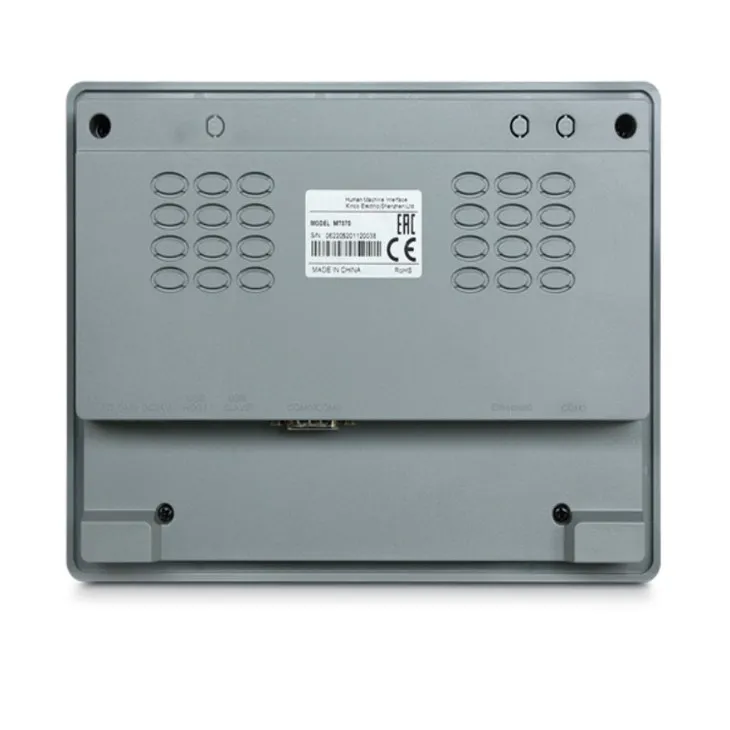
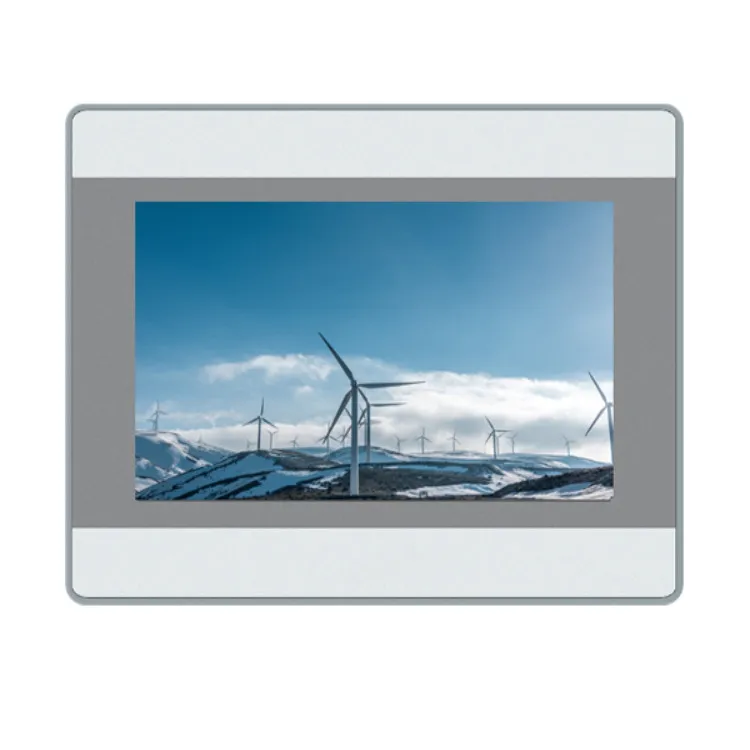
Local Industrial HMIs
A local industrial HMI is, well, local. It's directly connected to the machine it's controlling. Think of it as a one - on - one relationship. The HMI and the machine are physically close, and the connection is usually through cables.
One of the biggest advantages of a local HMI is its simplicity. There's no need to worry about network infrastructure, signal interference from other devices, or cybersecurity threats that come with networked systems. It's a straightforward setup. You plug it in, configure it, and you're good to go.
For example, in a small workshop where a single machine is used for a specific task, a local HMI is perfect. The operator can stand right in front of the machine, use the HMI to start, stop, and adjust the machine's settings. It provides immediate feedback, and the response time is super fast. If there's a problem with the machine, the operator can quickly see the error messages on the HMI and take action.
However, local HMIs do have their limitations. They're not very flexible when it comes to sharing data. If you want to monitor the machine's performance from another location in the factory or have multiple operators access the same information, it can be a hassle. You'd have to physically move to the HMI or set up a complex system of data transfer.
Also, when it comes to maintenance and updates, it can be time - consuming. You have to be on - site to make any changes to the HMI's software or hardware. If there are multiple machines with local HMIs in a large facility, it can take a lot of time and effort to keep everything up - to - date.
Networked Industrial HMIs
Now, let's talk about networked industrial HMIs. These are connected to a network, which could be a local area network (LAN) within a factory or even the internet. This connectivity opens up a whole new world of possibilities.
One of the main benefits of networked HMIs is data sharing. Multiple operators can access the same HMI data from different locations. For instance, in a large manufacturing plant, supervisors can monitor the performance of multiple machines from their offices. They can see real - time data on production rates, machine status, and any error messages. This allows for better decision - making and more efficient management of the production process.
Networked HMIs also support remote access. If there's an issue with a machine in the middle of the night, an engineer can log in to the HMI from home and troubleshoot the problem. This can save a lot of time and money, as it reduces downtime.
Another advantage is integration with other systems. Networked HMIs can be connected to enterprise resource planning (ERP) systems, allowing for seamless data flow between the shop floor and the business side of the operation. This integration can improve inventory management, production planning, and overall business efficiency.
However, networked HMIs come with their own set of challenges. Cybersecurity is a major concern. Since they're connected to a network, they're vulnerable to cyberattacks. Hackers could try to gain access to the HMI and disrupt the production process or steal sensitive data. Companies need to invest in robust security measures, such as firewalls, encryption, and user authentication, to protect their networked HMIs.
Network reliability is also an issue. If there's a problem with the network, such as a power outage or a network outage, the HMI may not function properly. This can lead to production delays and loss of data.
Outdoor Touch Screen, Split Industrial HMI, and Internet Of Things Touch Screen
When choosing between local and networked HMIs, you also need to consider the type of HMI that suits your needs. For outdoor applications, an Outdoor Touch Screen is a great option. These HMIs are designed to withstand harsh environmental conditions, such as extreme temperatures, sunlight, and moisture. They're perfect for industries like agriculture, mining, and oil and gas, where equipment is often used outdoors.
A Split Industrial HMI is another interesting choice. It separates the display unit from the control unit, which can be useful in situations where space is limited or where the operator needs to be at a distance from the machine. The display unit can be placed in a more convenient location, while the control unit can be installed near the machine.
The Internet Of Things Touch Screen is ideal for networked systems. It allows for easy integration with IoT devices, enabling real - time data collection and analysis. This can help companies optimize their production processes, reduce costs, and improve product quality.
Making the Right Choice
So, how do you decide whether a local or networked industrial HMI is right for your business? It really depends on your specific requirements.
If you have a small - scale operation with a limited number of machines and don't need to share data or access the HMI remotely, a local HMI is probably the way to go. It's simple, cost - effective, and reliable.
On the other hand, if you have a large - scale operation with multiple machines, need to share data across different departments, and want to take advantage of remote access and integration with other systems, a networked HMI is the better choice. Just make sure you have the resources to deal with the security and reliability issues that come with it.
As an industrial HMI supplier, I'm here to help you make the right decision. Whether you need a local HMI for a simple setup or a networked HMI for a complex operation, I can provide you with the best solutions. If you're interested in learning more about our products or have any questions, feel free to reach out. We can have a detailed discussion about your needs and come up with a customized solution for your business.
References
- Industrial Automation Handbook
- Journal of Industrial Technology and Management
- Research papers on Human - Machine Interface Systems