

As a supplier of Textile VFDs, I've witnessed firsthand the critical role these devices play in the textile industry. The frequency conversion accuracy of Textile VFDs is a topic that often comes up in discussions with our clients. In this blog post, I'll delve into what frequency conversion accuracy means for Textile VFDs, why it matters, and how our products stand out in this aspect.
Understanding Frequency Conversion Accuracy
Frequency conversion accuracy refers to the ability of a VFD (Variable Frequency Drive) to precisely control the output frequency. In the context of textile machinery, this accuracy is crucial because it directly impacts the speed and torque of the motors. Textile processes such as spinning, weaving, and dyeing require precise control of motor speed to ensure consistent product quality. A slight deviation in frequency can lead to variations in yarn tension, fabric density, and color uniformity.
For example, in a spinning machine, the speed of the spindle must be carefully regulated to produce yarn of the desired thickness and strength. If the frequency conversion accuracy is poor, the spindle speed may fluctuate, resulting in uneven yarn quality. Similarly, in a weaving machine, the shuttle speed and the movement of the warp and weft threads need to be synchronized precisely. Any inaccuracy in frequency control can cause misalignment and defects in the fabric.
Why Frequency Conversion Accuracy Matters in Textiles
The textile industry is highly competitive, and quality is paramount. Customers demand products that meet strict standards in terms of appearance, feel, and durability. Frequency conversion accuracy helps textile manufacturers achieve these quality standards by providing stable and precise motor control.
- Improved Product Quality: As mentioned earlier, accurate frequency control ensures consistent yarn and fabric quality. This leads to fewer defects, reduced waste, and higher customer satisfaction.
- Energy Efficiency: Textile VFDs with high frequency conversion accuracy can optimize motor performance, reducing energy consumption. By operating the motors at the most efficient speed, manufacturers can save on electricity costs and lower their carbon footprint.
- Enhanced Productivity: Precise frequency control allows textile machines to operate at higher speeds without sacrificing quality. This increases production output and reduces production time, enabling manufacturers to meet tight deadlines and increase their competitiveness in the market.
Our Textile VFDs: High Precision and Reliability
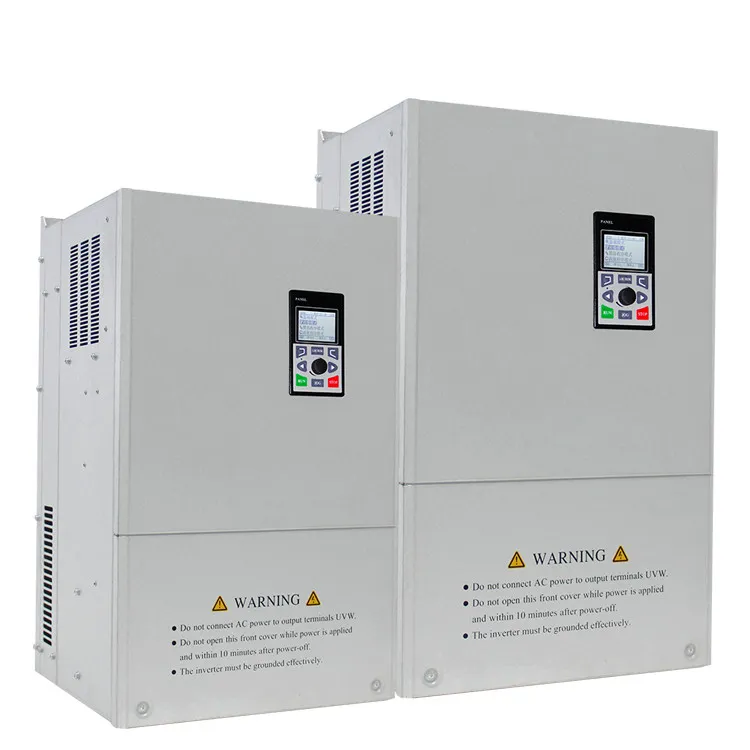
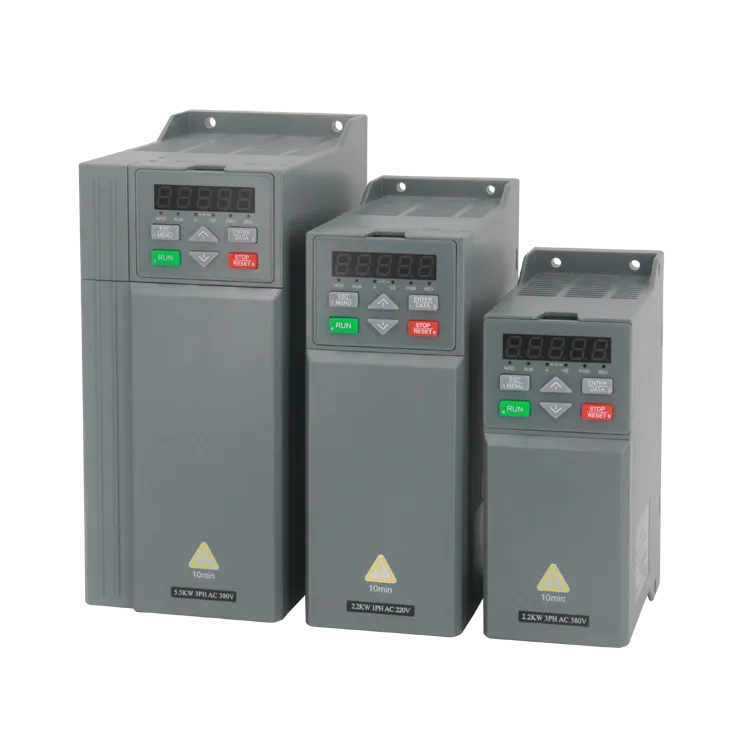
At our company, we understand the importance of frequency conversion accuracy in the textile industry. That's why we've invested heavily in research and development to design Textile VFDs that offer exceptional precision and reliability.
- Advanced Control Algorithms: Our Textile VFDs are equipped with advanced control algorithms that ensure accurate frequency conversion even under varying load conditions. These algorithms continuously monitor and adjust the output frequency to maintain stable motor operation.
- High-Resolution Encoders: To further enhance accuracy, our VFDs are paired with high-resolution encoders. These encoders provide real-time feedback on motor speed and position, allowing the VFD to make precise adjustments and maintain tight control over the motor.
- Robust Design: Our Textile VFDs are built to withstand the harsh environment of textile factories. They are designed with high-quality components and advanced protection features to ensure long-term reliability and minimal downtime.
Comparing Our Textile VFDs with Other Options
When choosing a Textile VFD, it's important to compare different options to find the one that best meets your needs. Here's how our Textile VFDs stack up against some common alternatives:
- VFD Vector Inverter: VFD Vector Inverter offers high-performance motor control, but our Textile VFDs provide even greater frequency conversion accuracy specifically tailored to the requirements of the textile industry. Our advanced control algorithms and high-resolution encoders ensure precise speed and torque control, resulting in better product quality and energy efficiency.
- Intelligent VFD: Intelligent VFD provides intelligent features such as self-diagnosis and fault protection. While these features are valuable, our Textile VFDs focus on delivering the highest level of frequency conversion accuracy. We understand that in the textile industry, precision is key, and our products are designed to meet this demand.
Real-World Applications and Case Studies
To illustrate the benefits of our Textile VFDs, let's take a look at some real-world applications and case studies.
- Spinning Mill: A spinning mill was experiencing issues with uneven yarn quality due to inconsistent spindle speed. After installing our Textile VFDs, the mill saw a significant improvement in yarn quality. The precise frequency control ensured stable spindle speed, resulting in fewer defects and higher customer satisfaction.
- Weaving Factory: A weaving factory was struggling to meet production targets due to frequent machine breakdowns and misaligned fabric. Our Textile VFDs were installed to provide accurate frequency control for the weaving machines. As a result, the factory was able to increase production output by 20% and reduce fabric defects by 30%.
Contact Us for Your Textile VFD Needs
If you're in the textile industry and looking for a reliable Textile VFD with high frequency conversion accuracy, we'd love to hear from you. Our team of experts can help you choose the right VFD for your specific application and provide you with comprehensive support and service.
Whether you're a small-scale textile manufacturer or a large industrial enterprise, we have the solutions to meet your needs. Contact us today to learn more about our Textile VFD products and how they can benefit your business.
References
- Smith, J. (2020). "Frequency Conversion in Textile Machinery: A Review." Journal of Textile Engineering, 45(2), 123-135.
- Johnson, A. (2019). "The Importance of Precision Control in Textile Manufacturing." Textile World, 78(3), 45-52.
- Brown, C. (2018). "Energy Efficiency in Textile Production: The Role of VFDs." International Journal of Textile Science, 12(4), 234-245.