

In the complex world of industrial automation, valve islands play a crucial role in controlling the flow of fluids and gases. As a seasoned Valve Islands supplier, I've witnessed firsthand the diverse challenges and requirements that our customers face. One of the most pressing questions often revolves around the humidity tolerance of valve islands. In this blog, we'll delve into the significance of humidity tolerance, how it impacts valve island performance, and what you need to know as a buyer.
Understanding Humidity and Its Effects on Valve Islands
Humidity refers to the amount of water vapor present in the air. In industrial settings, humidity levels can vary widely depending on the location, the nature of the processes, and the environmental conditions. High humidity can lead to condensation, which in turn can cause corrosion, electrical shorts, and mechanical failures in valve islands and other electronic components. Conversely, low humidity can result in static electricity buildup, which can damage sensitive circuits.
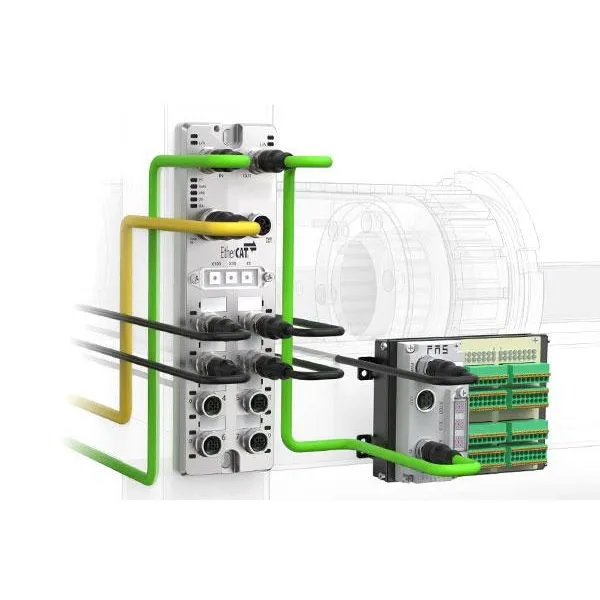
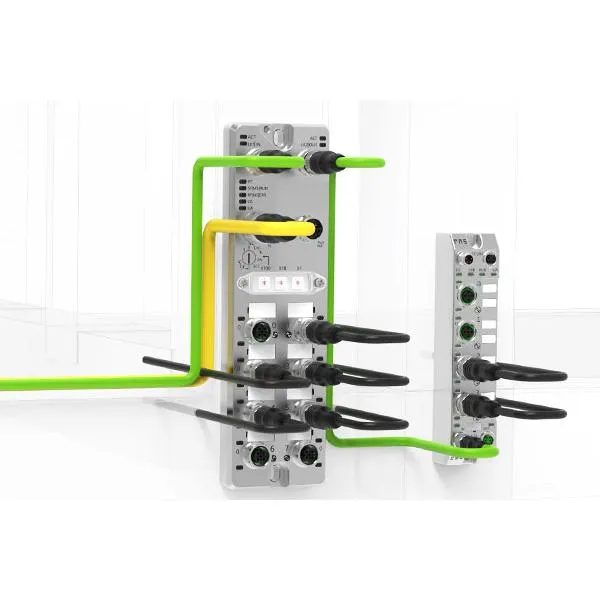
Valve islands are typically composed of multiple solenoid valves mounted on a common base or manifold. These valves are controlled by electrical signals, which can be sent via various communication protocols. The electrical connections, solenoid coils, and other internal components of valve islands are particularly vulnerable to the effects of humidity.
The Science Behind Humidity Tolerance
The humidity tolerance of a valve island is determined by several factors, including the materials used in its construction, the design of the enclosure, and the protective coatings applied to the internal components. Here's a closer look at each of these factors:
- Materials: High-quality valve islands are often constructed using corrosion-resistant materials such as stainless steel, aluminum, or plastic. These materials are less likely to rust or corrode when exposed to high humidity levels. Additionally, the seals and gaskets used in valve islands are typically made from rubber or silicone, which can withstand a wide range of humidity conditions without losing their elasticity or sealing properties.
- Enclosure Design: The design of the enclosure plays a crucial role in protecting the internal components of a valve island from humidity. A well-designed enclosure should be sealed to prevent the ingress of water vapor and dust. It should also have proper ventilation to allow for the dissipation of heat and moisture. Some valve islands are designed with IP (Ingress Protection) ratings, which indicate the degree of protection against solid objects and water. For example, an IP65-rated valve island is dust-tight and protected against water jets from any direction.
- Protective Coatings: Many valve islands are coated with a protective layer to enhance their resistance to humidity and corrosion. These coatings can be made from a variety of materials, such as epoxy, polyurethane, or silicone. The protective coating acts as a barrier between the internal components and the external environment, preventing moisture from reaching the sensitive parts of the valve island.
Determining the Appropriate Humidity Tolerance for Your Application
When selecting a valve island for your application, it's important to consider the humidity levels in the operating environment. Here are some guidelines to help you determine the appropriate humidity tolerance:
- Indoor Applications: In most indoor industrial applications, the relative humidity typically ranges from 30% to 70%. For these environments, a valve island with a humidity tolerance of 10% to 90% should be sufficient. However, if the application involves processes that generate a lot of heat or moisture, such as steam cleaning or painting, you may need a valve island with a higher humidity tolerance.
- Outdoor Applications: Outdoor environments can be much more challenging, as they are exposed to a wide range of weather conditions, including rain, snow, and high humidity. For outdoor applications, it's recommended to use a valve island with a humidity tolerance of 0% to 100% and a high IP rating, such as IP67 or IP68. These valve islands are designed to withstand extreme weather conditions and provide reliable performance in harsh environments.
- Specialty Applications: Some applications, such as food and beverage processing, pharmaceutical manufacturing, and cleanroom environments, require valve islands that are specifically designed to meet strict hygiene and cleanliness standards. These valve islands are often made from materials that are resistant to corrosion, easy to clean, and comply with industry regulations. In addition, they may have features such as smooth surfaces, rounded edges, and sealed enclosures to prevent the accumulation of dirt and moisture.
Our Valve Islands and Their Humidity Tolerance
As a leading Valve Islands supplier, we offer a wide range of valve islands that are designed to meet the diverse needs of our customers. Our valve islands are built to withstand high humidity levels and provide reliable performance in even the most challenging environments.
- Standard Valve Islands: Our standard valve islands are suitable for most indoor applications and have a humidity tolerance of 10% to 90%. They are made from high-quality materials and feature a robust design that ensures long-lasting performance. These valve islands are available in a variety of configurations and sizes to meet the specific requirements of your application.
- Heavy-Duty Valve Islands: For outdoor applications and other harsh environments, we offer heavy-duty valve islands with a humidity tolerance of 0% to 100% and a high IP rating. These valve islands are constructed using corrosion-resistant materials and are designed to withstand extreme weather conditions. They are also equipped with advanced features such as overvoltage protection, short-circuit protection, and diagnostic capabilities to ensure reliable operation.
- Specialty Valve Islands: We also offer specialty valve islands that are designed for specific applications, such as food and beverage processing, pharmaceutical manufacturing, and cleanroom environments. These valve islands are made from materials that are compliant with industry regulations and feature a hygienic design that prevents the accumulation of dirt and moisture. They are also easy to clean and maintain, ensuring optimal performance and reliability.
The Importance of Compatibility with Other Components
In addition to humidity tolerance, it's important to consider the compatibility of valve islands with other components in your automation system. For example, valve islands are often used in conjunction with Multi-protocol Network Module and IO-Link Master to enable communication and control. Ensuring that these components are compatible with each other is essential for achieving seamless integration and optimal performance.
Contact Us for Your Valve Island Needs
If you're in the market for high-quality valve islands with excellent humidity tolerance, look no further. As a trusted supplier, we have the expertise and experience to help you select the right valve islands for your application. Our team of technical experts is available to answer your questions, provide technical support, and assist you with the installation and commissioning of your valve islands.
Whether you're looking for standard valve islands for indoor applications, heavy-duty valve islands for outdoor use, or specialty valve islands for specific industries, we have the solution for you. Contact us today to discuss your requirements and get a quote. We look forward to working with you to meet your automation needs.
References
- "Industrial Automation Handbook," John Wiley & Sons
- "Valve Island Technology: Principles and Applications," Elsevier
- Manufacturer's specifications and technical documentation for valve islands, multi-protocol network modules, and IO-Link masters.