
Hey there! As a Siemens PLC supplier, I often get asked about the maximum counting frequency of the high - speed counter in Siemens PLCs. It's a crucial question, especially for those in industries where precise and rapid counting is essential. So, let's dive right in and explore this topic.
First off, let's understand what a high - speed counter in a Siemens PLC does. In simple terms, it's a feature that allows the PLC to count events at a very high rate. These events could be pulses from sensors, encoder signals, or any other type of input that needs to be counted accurately and quickly.
Now, different Siemens PLC models have different maximum counting frequencies. Let's start with the Siemens PLC S7 200. This is an older but still widely used model. The high - speed counters in the S7 200 have a maximum counting frequency that can go up to 30 kHz. That's pretty decent for many applications, especially in smaller - scale operations where the counting speed requirements aren't extremely high. For example, in a small - scale packaging line where you're counting the number of products passing by on a conveyor belt, the 30 kHz frequency of the S7 200 high - speed counter can work just fine.
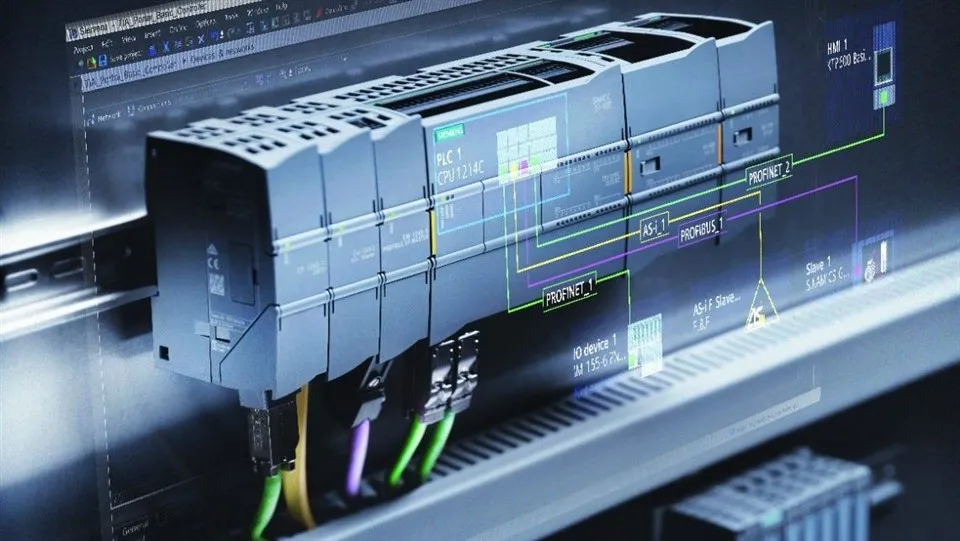
Next up is the Siemens PLC S7 1200. This is a more modern and versatile PLC. The high - speed counters in the S7 1200 offer a much higher maximum counting frequency. Depending on the specific configuration and the type of counter used, the maximum frequency can reach up to 100 kHz. This makes it suitable for a wider range of applications, including some medium - sized manufacturing processes where the counting needs to be done at a faster pace. For instance, in a machine that's producing electronic components and you need to count the number of parts being assembled per minute, the 100 kHz frequency of the S7 1200 high - speed counter can provide the accuracy and speed required.
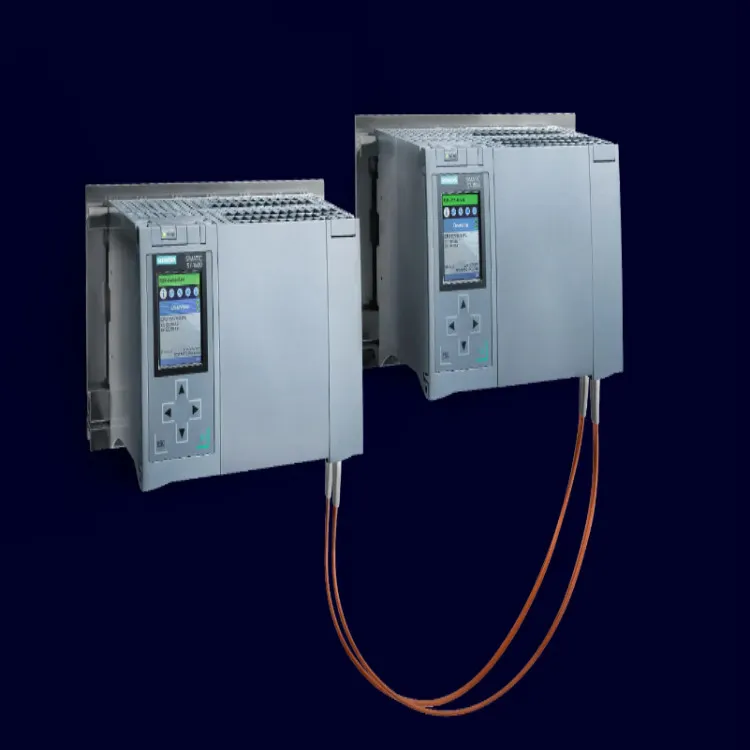
Finally, we have the Siemens PLC S7 1500. This is one of the most advanced PLCs in the Siemens lineup. The high - speed counters in the S7 1500 are capable of extremely high counting frequencies. They can go up to 1 MHz or even higher in some cases. This is ideal for high - speed industrial applications, such as in high - speed printing presses, where thousands of sheets are printed per minute, and you need to accurately count each sheet passing through the press. The high maximum counting frequency of the S7 1500 ensures that the counting is precise even at these incredibly high speeds.
But why does the maximum counting frequency matter so much? Well, if the counting frequency of your PLC's high - speed counter isn't high enough for your application, you'll end up with inaccurate counts. For example, if you're trying to count events that are occurring at a rate of 50 kHz, but your PLC's high - speed counter can only handle 30 kHz, it will miss some of the events, leading to incorrect data and potentially causing problems in your production process.
There are also a few factors that can affect the actual maximum counting frequency in real - world applications. One of the main factors is the type of input signal. If the input signal has a lot of noise or interference, it can reduce the effective counting frequency. For example, if you're using a sensor that produces a noisy signal, the PLC might have trouble accurately counting the pulses, and the maximum counting frequency will be lower than the theoretical value.
Another factor is the processing power of the PLC itself. If the PLC is already busy with other tasks, such as running complex control algorithms or communicating with other devices, it might not be able to handle the high - speed counting at its maximum frequency. So, it's important to consider the overall load on the PLC when determining the appropriate maximum counting frequency for your application.
When choosing a Siemens PLC based on the high - speed counter's maximum counting frequency, you need to carefully evaluate your application requirements. First, figure out the maximum rate at which the events you need to count will occur. Then, choose a PLC whose high - speed counter can handle that frequency with some margin for error. It's always a good idea to choose a PLC with a slightly higher maximum counting frequency than what you actually need to account for any unexpected increases in the event rate or any interference that might reduce the effective counting frequency.
If you're in the process of selecting a Siemens PLC for your project and need help determining the right maximum counting frequency for your high - speed counter, we're here to assist you. We've got a team of experts who can analyze your application requirements and recommend the best Siemens PLC model for you. Whether you're working on a small - scale project or a large - scale industrial operation, we can provide you with the right solution.
If you're interested in learning more about our Siemens PLC products or have any questions regarding the high - speed counter's maximum counting frequency, don't hesitate to reach out. We're more than happy to have a detailed discussion with you and guide you through the procurement process.
In conclusion, understanding the maximum counting frequency of the high - speed counter in Siemens PLCs is crucial for ensuring accurate and efficient operation in your industrial applications. By choosing the right PLC based on your specific requirements, you can avoid counting errors and improve the overall performance of your production processes. So, if you're in the market for a Siemens PLC, give us a call or drop us an email, and let's start this journey together to find the perfect solution for your needs.
References
- Siemens PLC official documentation
- Industrial automation textbooks on PLC applications