
The price range of counter sensors can vary significantly based on multiple factors, which I'll explore in detail as a supplier of these essential devices. Counter sensors are crucial in various industries, from manufacturing to logistics, for accurately counting objects as they pass by a detection point.
Factors Influencing the Price of Counter Sensors
1. Technology and Functionality
The underlying technology of a counter sensor plays a substantial role in determining its cost. Basic models may use simple infrared or ultrasonic technology to detect the presence or absence of an object. These sensors are relatively inexpensive, often costing anywhere from $20 to $100. They are suitable for straightforward applications where high precision is not required, such as counting boxes on a conveyor belt in a low - volume production line.
On the other hand, more advanced counter sensors employ laser technology. Laser - based counter sensors offer greater accuracy, longer sensing distances, and the ability to detect smaller objects. These sensors can cost between $100 and $500. They are commonly used in industries like electronics manufacturing, where components are tiny and require precise counting.
Some counter sensors also come with additional features like adjustable sensitivity, multiple counting modes (e.g., batch counting, cumulative counting), and communication interfaces (such as Ethernet or RS - 485). Sensors with these advanced features are priced higher, typically starting from $200 and going up to $1000 or more, depending on the complexity of the functions.
2. Brand and Quality
Well - established brands in the sensor market often command a premium price. These brands have a reputation for reliability, durability, and excellent customer support. For example, a counter sensor from a leading brand may cost 20% to 50% more than a similar - spec sensor from a lesser - known brand.
High - quality counter sensors are built to withstand harsh industrial environments, including extreme temperatures, humidity, and vibration. They undergo rigorous testing and quality control measures, which contribute to their higher price. A high - end counter sensor from a reputable brand can range from $300 to $1500.
3. Sensing Range and Accuracy
The sensing range of a counter sensor is another important factor. Sensors with a longer sensing range are generally more expensive. For instance, a counter sensor with a sensing range of up to 10 cm may cost around $50 - $150, while a sensor with a sensing range of 100 cm or more can cost $200 - $800.
Accuracy is also a key consideration. Sensors that can count objects with high precision, such as those with an error rate of less than 0.1%, are more costly. High - accuracy counter sensors are essential in applications where even a small counting error can lead to significant losses, such as in pharmaceutical or food packaging industries. These sensors can cost upwards of $500.
Comparison with Other Types of Sensors
It's useful to compare counter sensors with other related types of sensors. Contrast Sensor are designed to detect differences in contrast between an object and its background. They are commonly used in printing, packaging, and textile industries for tasks like detecting the presence of a printed mark on a label. Contrast sensors typically have a price range similar to basic counter sensors, starting from around $30 and going up to $200, depending on the technology and features.
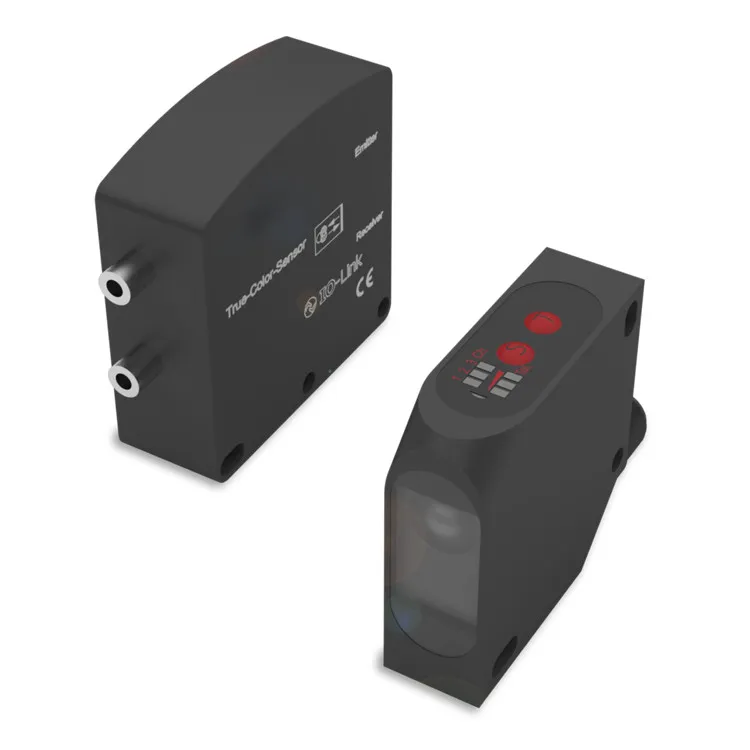
Colour Sensor are used to identify and distinguish between different colors. They are more complex than counter sensors and generally more expensive. The price of color sensors can range from $100 to $1000 or more, depending on the number of colors they can detect, the accuracy of color measurement, and the application requirements.
Price Ranges in Different Industries
Manufacturing
In the manufacturing industry, counter sensors are widely used for production monitoring and quality control. For small - scale manufacturing operations, basic counter sensors in the $20 - $100 price range may be sufficient. These sensors can be used to count parts on a simple assembly line.
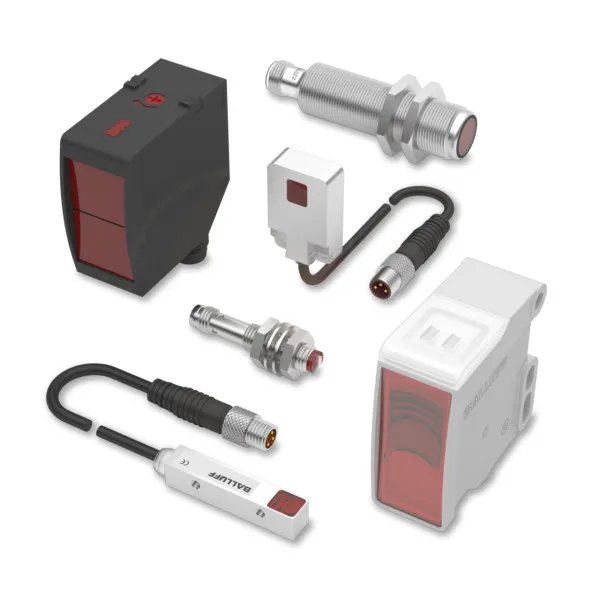
Medium - to large - scale manufacturing plants often require more advanced counter sensors with higher accuracy and additional features. The price of these sensors can range from $200 to $1000 or more. For example, in an automotive manufacturing plant, counter sensors are used to count components during the assembly process, and high - quality sensors are needed to ensure accurate production numbers.
Logistics and Warehousing
In logistics and warehousing, counter sensors are used to count packages, pallets, and other items as they move through the facility. Basic infrared counter sensors in the $30 - $150 price range are commonly used for general counting applications. However, for high - volume distribution centers where accurate counting is crucial for inventory management, more advanced sensors with longer sensing ranges and higher accuracy may be required. These sensors can cost between $200 and $800.
Conclusion
The price range of counter sensors is quite broad, spanning from as low as $20 for basic models to over $1000 for high - end, feature - rich sensors. When choosing a counter sensor, it's important to consider the specific requirements of your application, including the technology, functionality, brand, sensing range, and accuracy.
As a Counter Sensor supplier, we understand the diverse needs of our customers across different industries. We offer a wide range of counter sensors at various price points to meet your specific requirements. If you're in the market for a counter sensor and want to discuss your needs in detail, we encourage you to reach out to us for a personalized consultation. Our team of experts is ready to assist you in selecting the right sensor for your application and budget.
References
- "Industrial Sensors Handbook", published by an industry - leading publisher, which provides in - depth information on different types of sensors, including counter sensors.
- Market research reports on the sensor industry, which analyze the pricing trends and factors influencing the cost of counter sensors.