
As a seasoned supplier in the industrial HMI (Human - Machine Interface) industry, I've witnessed firsthand the critical role that resolution plays in the performance and functionality of these essential devices. In this blog, I'll delve into the resolution requirements for industrial HMIs, exploring why they matter, how to determine the right resolution for your specific application, and how our products meet these diverse needs.
Why Resolution Matters in Industrial HMIs
Resolution refers to the number of pixels that an HMI screen can display, typically expressed as the number of horizontal pixels by the number of vertical pixels (e.g., 1920x1080). In an industrial setting, a higher resolution offers several significant advantages.
Firstly, it enhances visibility. Industrial environments can be challenging, with varying lighting conditions, dust, and glare. A high - resolution screen ensures that text, graphics, and data are clear and easy to read, even from a distance or in less - than - ideal lighting. This is crucial for operators who need to quickly and accurately interpret information to make informed decisions.
Secondly, high resolution supports detailed visualization. Many industrial processes involve complex data and intricate diagrams. For example, in a manufacturing plant, an HMI might need to display detailed schematics of machinery, real - time production data, and quality control metrics. A higher resolution allows for more precise representation of these details, enabling operators to identify potential issues early and take appropriate action.
Finally, resolution impacts user experience. An HMI with a sharp, clear display is more intuitive and easier to interact with. Operators are less likely to make errors when navigating through menus or entering data, which can improve overall productivity and reduce the risk of costly mistakes.
Factors Influencing Resolution Requirements
Several factors come into play when determining the appropriate resolution for an industrial HMI.
Application Complexity
The complexity of the industrial application is a primary consideration. In simple applications, such as basic monitoring of a single parameter like temperature or pressure, a lower resolution may suffice. However, for more complex applications, such as process control in a chemical plant or multi - axis machine control in a machining center, a higher resolution is necessary to display all the relevant information clearly.
Viewing Distance
The distance from which the operator will view the HMI is also important. If the HMI is located close to the operator, a lower resolution may be acceptable as long as the text and graphics are large enough to read. On the other hand, if the HMI is installed in a control room where operators view it from a distance, a higher resolution is required to ensure legibility.
Lighting Conditions
Industrial environments can have a wide range of lighting conditions. In well - lit areas, a lower resolution may be sufficient. However, in areas with low light or high contrast, such as near windows or under bright overhead lights, a higher resolution can help overcome visibility issues. The ability to adjust the screen brightness and contrast also plays a role in ensuring optimal visibility.
Industry Standards and Regulations
Some industries have specific standards and regulations regarding the display of information on HMIs. For example, in the pharmaceutical and food industries, there may be requirements for clear and accurate display of production data, batch numbers, and quality control information. Compliance with these standards may necessitate a higher resolution HMI.
Our Industrial HMI Resolution Offerings
At our company, we understand that different industrial applications have different resolution requirements. That's why we offer a wide range of HMIs with varying resolutions to meet the diverse needs of our customers.
Low - Resolution HMIs
For simple monitoring applications where cost is a major concern, we offer low - resolution HMIs. These HMIs typically have a resolution of 800x600 or lower. They are suitable for applications such as small - scale equipment monitoring, where the main focus is on basic data display.
Medium - Resolution HMIs
Our medium - resolution HMIs, with resolutions ranging from 1024x768 to 1366x768, are ideal for a wide variety of industrial applications. They offer a good balance between cost and performance, providing clear display of text, graphics, and basic data visualizations. These HMIs are commonly used in applications such as machine control, process monitoring, and local operator interfaces.
High - Resolution HMIs
For complex applications that require detailed visualization and high - quality display, we offer high - resolution HMIs with resolutions of 1920x1080 or higher. These HMIs are capable of displaying large amounts of data, intricate diagrams, and high - definition videos. They are suitable for applications such as large - scale process control, advanced machine monitoring, and control room displays.
Specialized HMIs with Unique Resolution Needs
In addition to our standard resolution offerings, we also provide specialized HMIs that are designed to meet specific industry requirements.
Button - integrated HMI
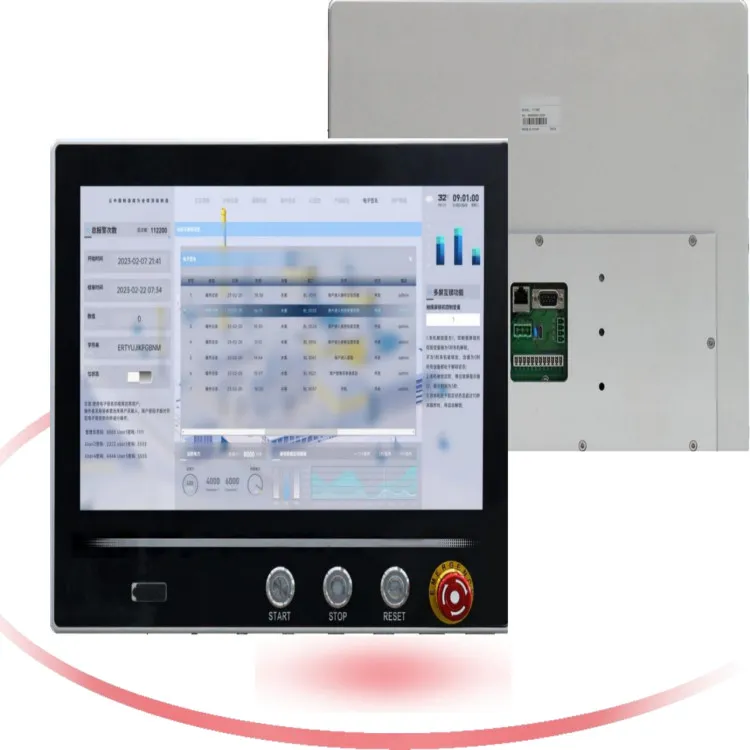
Our button - integrated HMIs combine the functionality of a touchscreen with physical buttons. These HMIs are often used in applications where quick and reliable input is required. The resolution of these HMIs is carefully selected to ensure that the touchscreen display is clear and responsive, while the physical buttons are easy to operate.
IoT Gateway
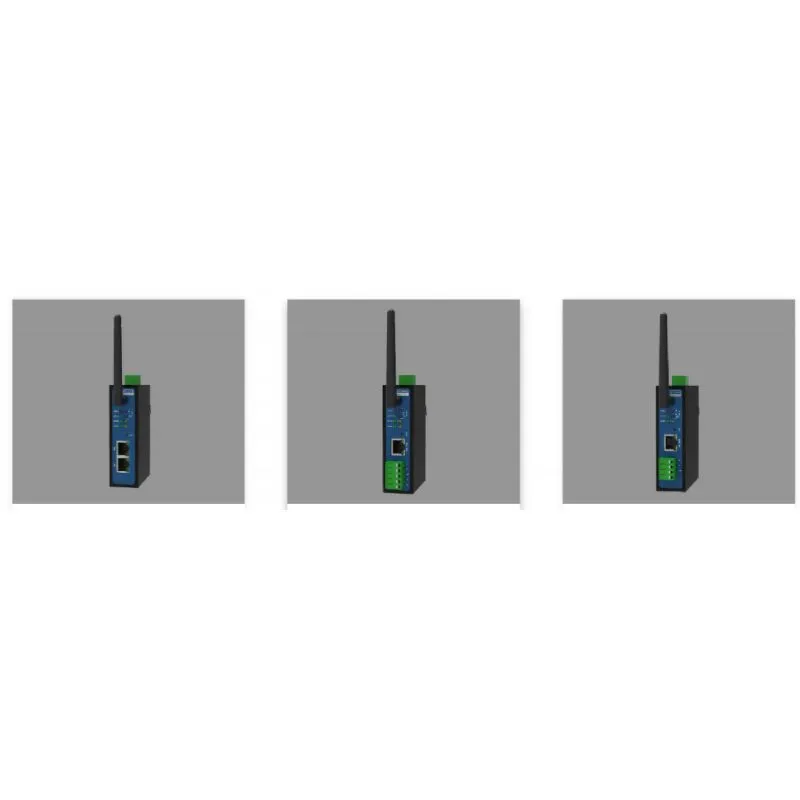
Our IoT gateways are HMIs that are designed to connect industrial equipment to the Internet of Things (IoT). These HMIs need to display real - time data from multiple sources, including sensors, machines, and cloud - based platforms. A higher resolution is often required to display this complex data in a clear and organized manner.
Wide Temperature HMI
Our wide - temperature HMIs are designed to operate in extreme temperature environments, such as outdoor installations or industrial ovens. These HMIs need to maintain a clear and stable display even in harsh conditions. The resolution of these HMIs is optimized to ensure visibility and performance across a wide temperature range.
How to Choose the Right Resolution for Your Industrial HMI
Choosing the right resolution for your industrial HMI can be a challenging task. Here are some steps to help you make an informed decision:
- Understand Your Application: Clearly define the requirements of your industrial application, including the type of data to be displayed, the complexity of the visualization, and the frequency of data updates.
- Consider the Viewing Environment: Take into account the viewing distance, lighting conditions, and any potential sources of interference in the environment where the HMI will be installed.
- Evaluate Your Budget: Determine how much you are willing to spend on the HMI. Higher - resolution HMIs generally come with a higher price tag, so it's important to find a balance between your budget and your requirements.
- Consult with an Expert: If you're unsure about which resolution is right for your application, don't hesitate to consult with one of our experts. We have extensive experience in the industrial HMI industry and can provide you with personalized advice based on your specific needs.
Conclusion
Resolution is a critical factor in the performance and functionality of industrial HMIs. By understanding the factors that influence resolution requirements and choosing the right resolution for your application, you can ensure that your HMI provides clear, accurate, and intuitive display of information. As an industrial HMI supplier, we are committed to providing high - quality HMIs with a wide range of resolution options to meet the diverse needs of our customers.
If you're interested in learning more about our industrial HMIs or have specific requirements for your application, we invite you to contact us for a detailed consultation. Our team of experts is ready to assist you in selecting the perfect HMI solution for your industrial needs.
References
- "Industrial Human - Machine Interfaces: Design and Application" by John Doe
- "Resolution and Display Technology in Industrial Automation" by Jane Smith
- Industry reports from leading industrial automation research firms.