

What is the thermal stability of a stepper system?
As a supplier of stepper systems, I often encounter inquiries about the thermal stability of these systems. Thermal stability is a crucial aspect that directly impacts the performance, reliability, and lifespan of stepper systems. In this blog, I will delve into what thermal stability means in the context of stepper systems, the factors that affect it, and why it matters for your applications.
Understanding Thermal Stability in Stepper Systems
Thermal stability refers to the ability of a stepper system to maintain its performance and characteristics under varying temperature conditions. A stepper system consists of a stepper motor and a driver. When the system is in operation, electrical energy is converted into mechanical energy, but not all of it is efficiently transformed. Some of the energy is dissipated as heat, which can cause the temperature of the motor and driver to rise.
A thermally stable stepper system can withstand temperature changes without significant degradation in performance. This includes maintaining accurate step angles, consistent torque output, and reliable operation. If a stepper system lacks thermal stability, it may experience issues such as step loss, reduced torque, increased noise, and even premature failure.
Factors Affecting Thermal Stability
1. Motor Design
The design of the stepper motor plays a vital role in its thermal stability. The materials used in the motor, such as the type of magnetic core and winding insulation, can affect how well the motor dissipates heat. For example, motors with high - quality insulation materials can withstand higher temperatures without losing their electrical properties.
The physical structure of the motor also matters. Motors with a larger surface area relative to their volume can dissipate heat more effectively. Additionally, the number of phases in the motor can influence its heat generation. 2 Phase Stepper Motor and 3 Phase Stepper Motor have different heat - generation characteristics. Generally, 3 - phase stepper motors tend to have more efficient power conversion and may generate less heat compared to 2 - phase motors under certain operating conditions.
2. Driver Characteristics
The stepper driver is responsible for controlling the current and voltage supplied to the motor. The efficiency of the driver can significantly impact the heat generated in the system. A driver with high power conversion efficiency will waste less energy as heat.
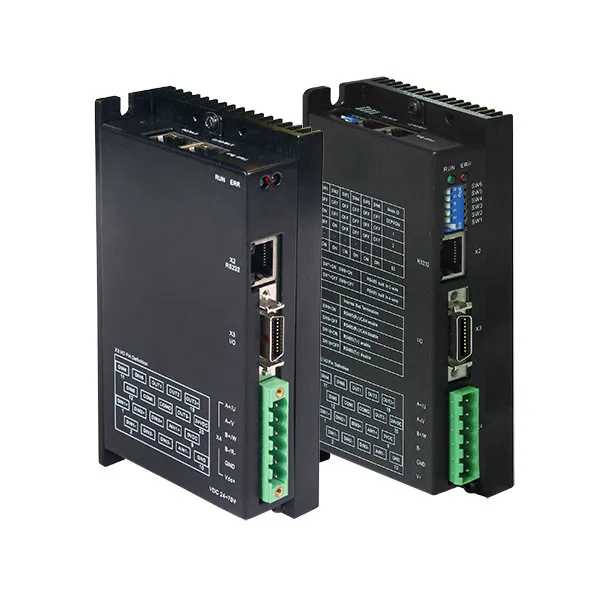
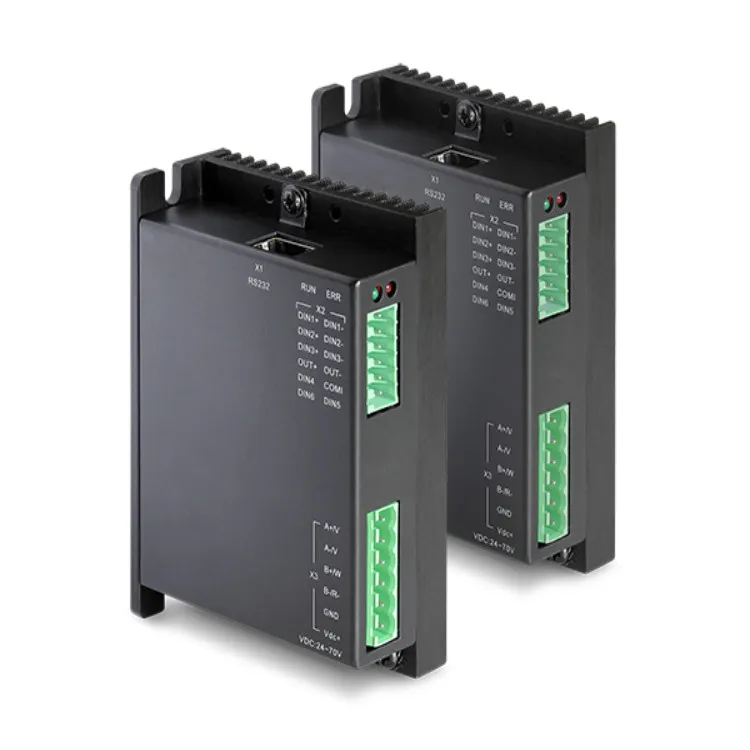
The driver's control algorithm also affects thermal stability. Advanced control algorithms can optimize the current supplied to the motor based on the load and operating conditions, reducing unnecessary heat generation. For instance, a driver with a current - limiting feature can prevent the motor from drawing excessive current, which would otherwise lead to overheating. Field Bus Stepper Driver often come with sophisticated control algorithms that enhance the overall thermal stability of the stepper system.
3. Operating Conditions
The environment in which the stepper system operates has a direct impact on its thermal stability. High ambient temperatures can make it more difficult for the system to dissipate heat. If the system is installed in an enclosed space with poor ventilation, the heat will accumulate, causing the temperature of the motor and driver to rise rapidly.
The load on the motor is another important factor. A heavy load requires the motor to draw more current, which in turn generates more heat. Continuous operation at high loads without proper cooling can lead to overheating and reduced thermal stability.
Why Thermal Stability Matters
1. Performance and Accuracy
In applications where precision is crucial, such as in CNC machines, 3D printers, and robotics, thermal stability is essential. A thermally unstable stepper system may experience step loss or inaccurate positioning due to changes in the motor's electrical and magnetic properties as the temperature rises. This can result in poor - quality products or reduced functionality of the equipment.
2. Reliability and Lifespan
Overheating can cause premature wear and tear on the components of the stepper system. High temperatures can degrade the insulation materials in the motor windings, leading to short - circuits and motor failure. In the driver, excessive heat can damage electronic components, reducing its reliability. By ensuring good thermal stability, the lifespan of the stepper system can be significantly extended, reducing maintenance costs and downtime.
3. Energy Efficiency
A thermally stable stepper system operates more efficiently. When the system generates less heat, less energy is wasted, which translates into lower energy consumption. This is not only beneficial for the environment but also for the operating costs of the equipment.
Ensuring Thermal Stability in Your Stepper System
As a supplier, we offer a range of solutions to ensure the thermal stability of our stepper systems.
1. High - Quality Components
We use high - quality materials in the manufacturing of our stepper motors and drivers. Our motors are designed with efficient heat - dissipation features, and our drivers are engineered for high power conversion efficiency.
2. Cooling Solutions
We provide various cooling options, such as heat sinks and fans, to help dissipate heat from the motor and driver. These cooling solutions can be customized based on the specific requirements of your application.
3. Technical Support
Our team of experts is available to provide technical support and advice on optimizing the thermal performance of your stepper system. We can help you select the right motor and driver combination, and offer guidance on installation and operation to ensure maximum thermal stability.
Contact Us for Your Stepper System Needs
If you are in the market for a reliable and thermally stable stepper system, we are here to help. Our extensive range of 2 Phase Stepper Motor, 3 Phase Stepper Motor, and Field Bus Stepper Driver can meet the diverse needs of your applications.
We understand that every application is unique, and we are committed to providing customized solutions that ensure optimal thermal stability. Whether you are a small - scale manufacturer or a large - scale industrial enterprise, we have the expertise and products to support your requirements.
If you have any questions or would like to discuss your specific needs, please do not hesitate to reach out to us. We look forward to the opportunity to work with you and help you achieve the best performance from your stepper system.
References
- "Stepper Motor Handbook" - A comprehensive guide on stepper motor technology, including thermal management.
- Industry research papers on the performance and reliability of stepper systems under different temperature conditions.