
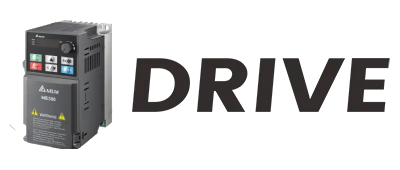
VFD vector frequency converter has the following characteristics:
high-precision control
Through vector control technology, the speed, torque, and magnetic flux of the motor can be accurately controlled, achieving control performance comparable to DC motors. It is suitable for applications that require high precision, such as precision machining and robot control.
Wide speed range
It can operate stably within a wide frequency range and achieve smooth speed regulation from low to high speed, meeting different loads and process requirements. For example, energy-saving speed regulation can be achieved in equipment such as fans and pumps.
Low speed high torque output
It can still provide a large torque during low-speed operation, ensuring stable operation of the motor during start-up and low-speed phases. It is suitable for equipment that requires a large starting torque, such as lifting and conveying.
Fast dynamic response
The response speed to load changes and speed commands is fast, which can quickly adjust the operating status of the motor, improve the stability and reliability of the system, and is suitable for applications that require frequent start stop or rapid speed change.
Multiple control modes
Supports multiple modes such as sensorless vector control, sensorless vector control, V/F control, etc., and can choose the appropriate control method according to actual needs, balancing performance and cost.
Rich protection functions
Equipped with multiple protection functions such as overcurrent, overvoltage, overheating, undervoltage, and phase loss, it can effectively protect the motor and frequency converter itself, extend the service life of the equipment, and ensure the safe operation of the system.
Good compatibility
It can be matched with various types of motors (such as induction motors, permanent magnet motors, synchronous reluctance motors, etc.) to adapt to different motor parameters and application scenarios.
Intelligence and Scalability
Built in PLC function, communication interfaces (such as Modbus, CANopen, EtherCAT, etc.), support integration with other automation devices, achieve remote monitoring and control, and facilitate the construction of intelligent industrial control systems.
Energy-efficient
By precisely controlling the operating status of the motor, energy waste can be avoided, especially in equipment with large load changes such as fans and pumps, where energy-saving effects are significant.
Strong environmental adaptability
Some models have high protection levels (such as IP55), wide voltage input range, anti-interference design, etc., which can operate stably in harsh industrial environments.