
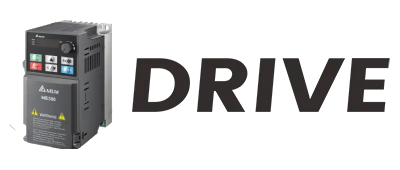
In the chemical industry, the presence of corrosive substances poses a significant challenge to the operation and longevity of industrial equipment. Variable Frequency Drives (VFDs) are crucial components in many chemical processing systems, controlling the speed and torque of electric motors. As an industrial VFD supplier, we understand the critical importance of ensuring that our VFDs can withstand the harsh and corrosive environments commonly found in the chemical sector. This blog post will explore how our industrial VFDs are designed and equipped to handle such challenging conditions.
Understanding Corrosive Environments in the Chemical Industry
Corrosive environments in the chemical industry are characterized by the presence of various aggressive chemicals, such as acids, bases, salts, and oxidizing agents. These substances can cause damage to electronic components, metals, and insulation materials over time. The sources of corrosion can be diverse, including chemical spills, fumes, and the by - products of chemical reactions.
High humidity levels are also common in chemical plants, which can accelerate the corrosion process. When moisture combines with corrosive chemicals in the air, it forms conductive solutions that can cause short - circuits and other electrical failures in VFDs. Additionally, temperature fluctuations can exacerbate the effects of corrosion, as thermal expansion and contraction can cause mechanical stress on the components.
Design Features of Our Industrial VFDs for Corrosion Resistance
Enclosure Design
Our industrial VFDs are housed in specially designed enclosures that provide a high level of protection against corrosive substances. These enclosures are made from materials such as stainless steel or fiberglass, which are highly resistant to corrosion. Stainless steel enclosures offer excellent mechanical strength and durability, while fiberglass enclosures are lightweight and have good chemical resistance.
The enclosures are sealed to prevent the ingress of dust, moisture, and corrosive fumes. They are designed to meet international standards for environmental protection, such as IP (Ingress Protection) ratings. For example, our VFDs often come with IP65 or higher ratings, which means they are dust - tight and protected against water jets from any direction. This ensures that the internal components of the VFD are shielded from the harsh external environment.
Coating and Surface Treatments
In addition to the enclosure design, the internal components of our VFDs are also protected by special coatings and surface treatments. Printed circuit boards (PCBs) are coated with a conformal coating, which is a thin layer of protective material that shields the board from moisture, chemicals, and dust. This coating helps to prevent corrosion of the copper traces and electronic components on the PCB.
The metal parts of the VFD, such as heat sinks and mounting brackets, are treated with anti - corrosion coatings. These coatings can be made from materials like zinc, nickel, or epoxy, which form a barrier between the metal and the corrosive environment. By preventing direct contact between the metal and the corrosive substances, these coatings significantly extend the lifespan of the components.
Component Selection
We carefully select the components used in our VFDs to ensure their compatibility with corrosive environments. Electronic components are chosen for their high - quality construction and resistance to chemical attack. For example, we use corrosion - resistant capacitors and resistors that are designed to maintain their performance in harsh conditions.
The insulation materials used in the VFD are also carefully chosen. High - quality insulation materials can prevent electrical leakage and short - circuits, even in the presence of moisture and corrosive chemicals. These materials are tested to ensure that they can withstand the specific corrosive agents found in the chemical industry.
Testing and Certification
Before our industrial VFDs are released to the market, they undergo rigorous testing to ensure their performance and reliability in corrosive environments. We conduct salt spray tests, where the VFDs are exposed to a fine mist of saltwater for an extended period. This test simulates the effects of a highly corrosive marine - like environment and helps us to evaluate the corrosion resistance of the enclosures and components.
We also perform chemical immersion tests, where the VFDs are immersed in various corrosive chemicals for a specified time. This test helps us to determine the compatibility of the components with different types of chemicals and to identify any potential weaknesses in the design.
Our VFDs are certified to meet industry standards for corrosion resistance. These certifications provide our customers with the assurance that our products have been thoroughly tested and meet the highest quality and safety requirements.
Application Examples in the Chemical Industry
In the chemical industry, our industrial VFDs are used in a wide range of applications. For example, in chemical mixing processes, VFDs are used to control the speed of agitators. The ability of our VFDs to withstand corrosive chemicals ensures that the mixing process runs smoothly and efficiently, without the risk of equipment failure.
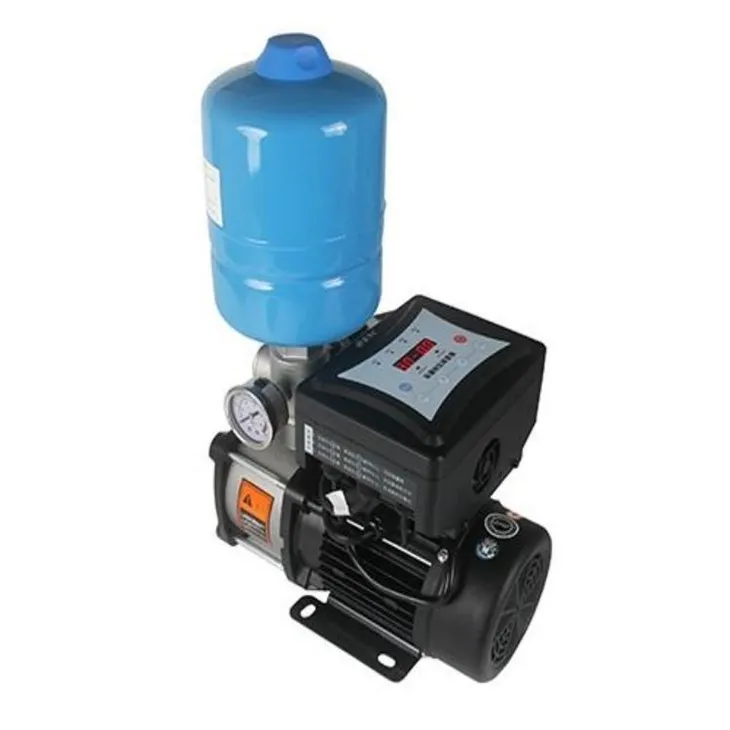
Another application is in chemical pumping systems. Our Water Pump Inverter can be used to control the flow rate of corrosive liquids, such as acids or alkalis. The corrosion - resistant design of the VFD ensures that it can operate reliably in the harsh environment of a chemical pumping station.
In ozone generation processes, our Ozone Generator Power Supply is used to power the ozone generators. Ozone is a highly reactive and corrosive gas, and our VFDs are designed to withstand the corrosive effects of ozone and other chemicals in the process.
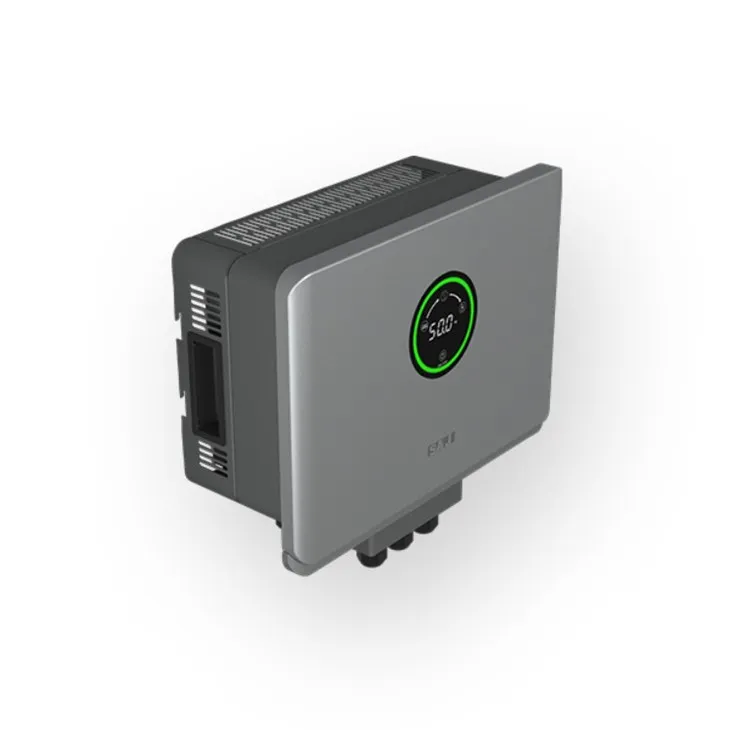
Solar - powered chemical pumping systems also benefit from our Solar Pump Inverter. These inverters are designed to work in outdoor environments, where they may be exposed to corrosive substances in the air or soil. The corrosion - resistant features of our VFDs ensure that they can operate efficiently and reliably, even in these challenging conditions.
Advantages of Choosing Our Industrial VFDs
By choosing our industrial VFDs for your chemical industry applications, you can expect several advantages. Firstly, our VFDs offer long - term reliability, which reduces the need for frequent maintenance and replacement. This translates into lower operating costs and increased productivity for your business.
Secondly, our VFDs are designed to provide high - performance control of electric motors. This allows for precise speed and torque control, which is essential for many chemical processes. By optimizing the motor performance, our VFDs can also help to reduce energy consumption, further lowering your operating costs.
Finally, our commitment to quality and innovation means that we are constantly improving our products to meet the evolving needs of the chemical industry. We work closely with our customers to understand their specific requirements and to develop customized solutions that provide the best possible performance in corrosive environments.
Contact Us for Procurement and Consultation
If you are in the chemical industry and are looking for reliable industrial VFDs that can handle corrosive environments, we invite you to contact us. Our team of experts is ready to provide you with detailed information about our products, including their technical specifications, performance capabilities, and pricing. We can also offer consultation services to help you choose the right VFD for your specific application.
Whether you need a standard VFD or a customized solution, we have the expertise and resources to meet your needs. Contact us today to start a conversation about how our industrial VFDs can enhance the performance and reliability of your chemical processing systems.
References
- "Corrosion Handbook" by Bruce D. Craig
- "Industrial Electronics Handbook" by Ronald K. Jurgen
- Industry standards and guidelines related to VFDs and corrosion resistance in the chemical industry