
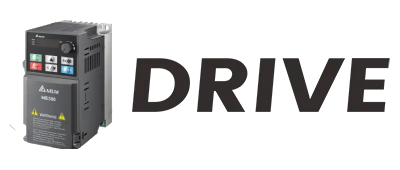
Hey there! As a supplier of DC Servo Drivers, I've seen my fair share of issues, and one of the most common headaches is over - current. It can mess up your driver big time, causing malfunctions, reducing the lifespan, and in the worst - case scenario, completely frying the whole thing. So, in this blog, I'm gonna share some tips on how to protect a DC servo driver from over - current.
Understanding Over - Current in DC Servo Drivers
First off, let's talk about what over - current is. In simple terms, it's when the current flowing through the DC servo driver exceeds its rated value. There are a bunch of reasons why this might happen. Maybe there's a short - circuit in the motor or the wiring. Or perhaps the load on the motor is too heavy, forcing the driver to draw more current to keep the motor running. Sometimes, it could even be due to a faulty control signal that makes the driver supply more current than it should.
When over - current occurs, it generates a lot of heat. And as we all know, heat is the enemy of electronic components. It can cause the insulation on wires to melt, damage the transistors and other semiconductor devices in the driver, and lead to system failures. So, it's crucial to take steps to prevent over - current.
Choosing the Right DC Servo Driver
The first step in protecting your DC servo driver from over - current is to choose the right one for your application. You need to consider the power requirements of your motor. If you have a high - power motor, you'll need a DC servo driver that can handle the current draw. Check the rated current of the driver and make sure it's higher than the maximum current your motor is likely to draw under normal operating conditions.
For example, if your motor has a peak current requirement of 10 amps, don't go for a driver with a rated current of just 5 amps. You'll be asking for trouble. Instead, look for a driver with a rated current of at least 12 - 15 amps to give you some headroom. You can find a wide range of DC Servo Drivers on our website DC Servo Driver.
Using Current Limiters
Another effective way to protect your DC servo driver is by using current limiters. A current limiter is a device that restricts the amount of current flowing through the driver. It acts like a traffic cop, making sure the current doesn't go over a certain limit.
There are two main types of current limiters: hardware - based and software - based. Hardware current limiters are physical components that are built into the driver or added externally. They use resistors, transistors, or other electronic components to limit the current. Software current limiters, on the other hand, are implemented through the control software of the driver. They monitor the current and adjust the output voltage or pulse width modulation (PWM) signal to keep the current within the safe range.
Most modern DC servo drivers come with built - in current limiters. But it's still a good idea to double - check and make sure they're set correctly. You can usually adjust the current limit settings through the driver's configuration software or control panel.
Proper Wiring and Grounding
Believe it or not, proper wiring and grounding can also play a big role in preventing over - current. Poor wiring can cause resistance in the circuit, which in turn can lead to increased current draw. Make sure you use high - quality wires with the right gauge for your application. Thicker wires generally have lower resistance, so they can handle more current without overheating.
Also, pay attention to the grounding of your DC servo driver. A good ground connection helps to dissipate any stray electrical charges and reduces the risk of electrical interference. Make sure the driver is properly grounded to a reliable ground point, such as a metal chassis or a dedicated grounding rod.
Monitoring the Current
Regularly monitoring the current flowing through your DC servo driver is essential for early detection of over - current issues. Most DC servo drivers have built - in current sensors that can provide real - time information about the current draw. You can use this information to keep an eye on the driver's performance and detect any abnormal current spikes.
There are also external current monitoring devices available that you can use to monitor the current in the circuit. These devices can be connected to a computer or a monitoring system, allowing you to track the current over time and set up alerts if the current exceeds a certain threshold.
Cooling the DC Servo Driver
As I mentioned earlier, heat is a major problem when it comes to over - current. So, proper cooling is crucial for protecting your DC servo driver. Most drivers come with built - in heat sinks or cooling fans to dissipate the heat generated during operation. Make sure these cooling components are clean and functioning properly.
If you're using the driver in a high - temperature environment or if it's operating under heavy loads for extended periods, you might need to consider additional cooling measures. For example, you could use a forced - air cooling system or a liquid - cooling system to keep the driver at a safe temperature.
Protecting Against Short - Circuits
Short - circuits are one of the most common causes of over - current in DC servo drivers. To protect against short - circuits, you can use fuses or circuit breakers in the circuit. A fuse is a simple device that contains a thin wire that melts when the current exceeds a certain value, breaking the circuit and preventing further damage. Circuit breakers, on the other hand, are reusable devices that automatically trip when the current exceeds a set limit.
Make sure you choose the right type and rating of fuse or circuit breaker for your application. A fuse that's rated too high won't protect the driver from over - current, while a fuse that's rated too low might blow prematurely, causing unnecessary downtime.
Using an Integrated Servo Wheel
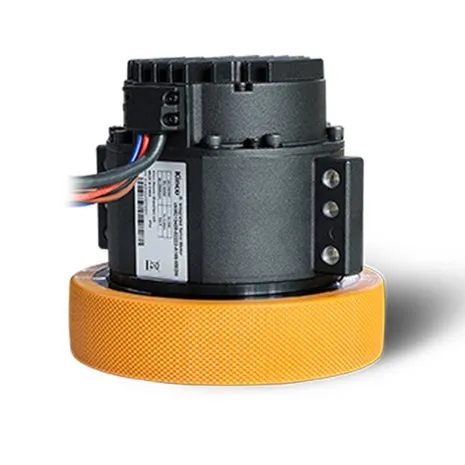
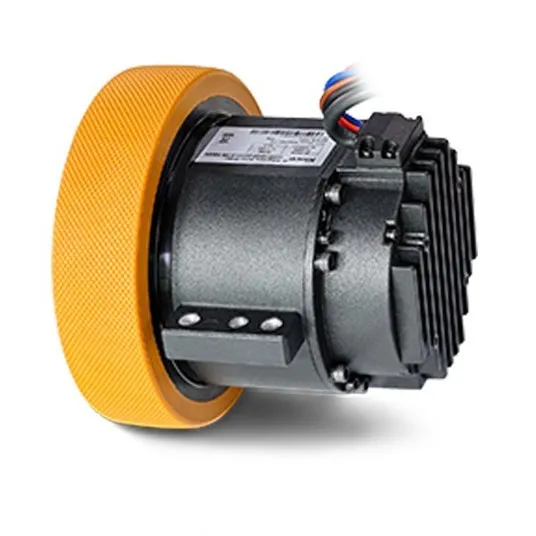
If you're looking for a more integrated solution, you might want to consider using an Integrated Servo Wheel. These wheels combine the motor, driver, and control electronics into a single unit, which can simplify the installation and reduce the risk of over - current issues. They often come with built - in protection features, such as current limiters and over - temperature protection, which can help to keep the system safe.
Mini DC Servo Drivers for Small Applications
For smaller applications, our Mini DC Servo Driver is a great option. These drivers are compact and lightweight, but they still offer high - performance and reliable operation. They also come with built - in protection features to prevent over - current and other issues.
Conclusion
Protecting a DC servo driver from over - current is crucial for ensuring its reliable operation and longevity. By choosing the right driver, using current limiters, monitoring the current, and taking other preventive measures, you can significantly reduce the risk of over - current damage.
If you're in the market for a DC servo driver or need more information on how to protect your existing driver from over - current, feel free to reach out to us. We're here to help you find the right solution for your application and ensure the smooth operation of your system. Contact us to start a purchase negotiation and let's work together to keep your DC servo drivers running at their best!
References
- Servo Motor and Driver Handbook
- Electronic Circuit Design for Dummies
- Industrial Automation: A Practical Guide