
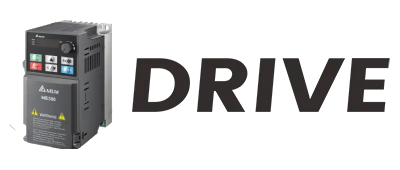
Hey there! As an industrial VFD (Variable Frequency Drive) supplier, I often get asked about how to synchronize multiple motors using an industrial VFD. It's a common challenge in many industrial applications, and I'm here to share some insights and practical tips on this topic.
Why Synchronize Multiple Motors?
First off, let's talk about why you'd want to synchronize multiple motors in the first place. In industrial settings, there are plenty of scenarios where multiple motors need to work together in harmony. For example, in conveyor systems, multiple motors drive different sections of the conveyor belt. If these motors aren't synchronized, the belt can experience uneven movement, leading to product jams or even damage to the equipment.
Another example is in large-scale manufacturing processes where multiple motors power different parts of a machine. Synchronization ensures that all components work in tandem, maintaining the precision and efficiency of the overall operation. It can also help reduce wear and tear on the motors and other mechanical parts, saving you money on maintenance and replacement costs in the long run.
Understanding Industrial VFDs
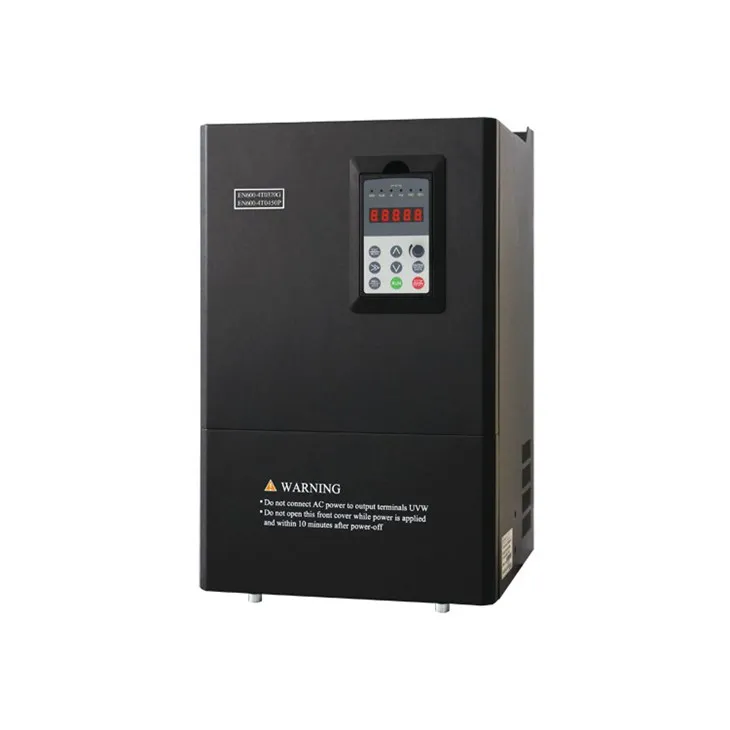
Before we dive into the synchronization process, let's quickly go over what an industrial VFD is. A VFD is a device that controls the speed and torque of an electric motor by varying the frequency and voltage supplied to it. By adjusting these parameters, you can precisely control the motor's performance, making it more energy-efficient and adaptable to different operating conditions.
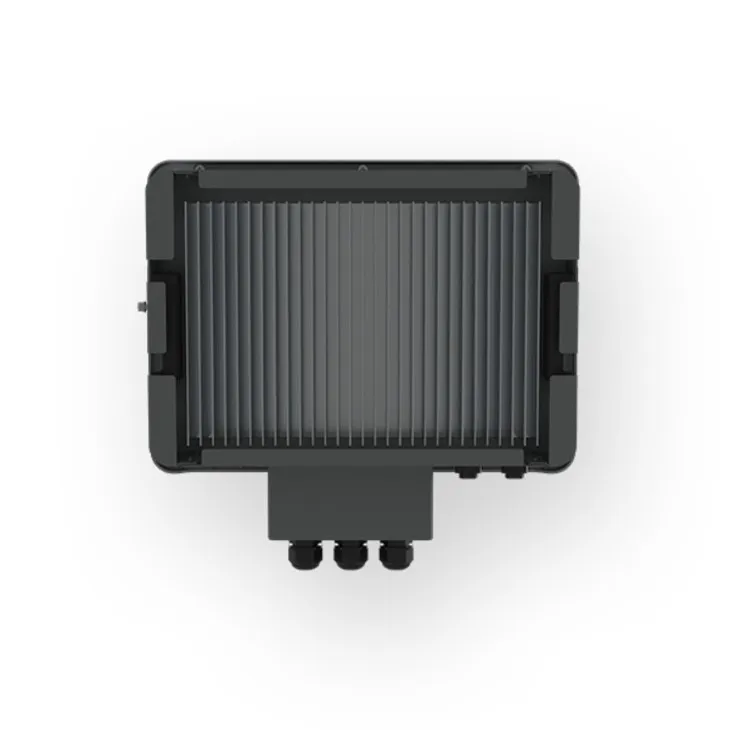
Our company offers a range of industrial VFDs, including the Water Pump Inverter and Solar Pump Inverter. These VFDs are designed to meet the specific needs of different applications, whether it's pumping water or harnessing solar energy. We also have the Ozone Generator Power Supply, which is used in applications where ozone generation is required.
Methods of Synchronizing Multiple Motors with an Industrial VFD
There are several methods you can use to synchronize multiple motors using an industrial VFD. Let's take a look at some of the most common ones:
1. Master - Slave Configuration
This is one of the simplest and most widely used methods. In a master - slave configuration, one motor is designated as the master, and the other motors are set as slaves. The master motor controls the speed and direction of the entire system, and the slave motors follow its lead.
To set up a master - slave configuration, you first need to connect all the motors to the VFD. Then, you configure the VFD to identify the master motor. The VFD will then adjust the speed and torque of the slave motors to match that of the master motor. This method is relatively easy to implement and works well in applications where the load on all the motors is similar.
2. Encoder Feedback
Encoders are devices that provide feedback on the position, speed, and direction of a motor. By using encoders on each motor, you can achieve more precise synchronization. The VFD uses the encoder feedback to continuously monitor the performance of each motor and make real - time adjustments to ensure that all motors are running at the same speed and in the same direction.
To use encoder feedback for synchronization, you need to install encoders on each motor and connect them to the VFD. The VFD will then use the encoder data to calculate the speed and position errors between the motors and adjust the output accordingly. This method is more accurate than the master - slave configuration but is also more complex and expensive.
3. Communication Protocols
Many modern industrial VFDs support communication protocols such as Modbus, Profibus, or Ethernet/IP. These protocols allow the VFDs to communicate with each other and exchange data in real - time. By using a communication protocol, you can synchronize multiple motors across different VFDs.
To use a communication protocol for synchronization, you need to configure the VFDs to communicate with each other using the chosen protocol. You can then set up a control system that sends commands to all the VFDs simultaneously, ensuring that all motors are synchronized. This method is suitable for large - scale industrial applications where multiple VFDs are used in different locations.
Steps to Synchronize Multiple Motors
Now that we've covered the different synchronization methods, let's go through the general steps to synchronize multiple motors using an industrial VFD:
- Select the Right VFD: Choose a VFD that is capable of handling the power requirements of all the motors and supports the synchronization method you want to use. Make sure to consider factors such as the motor's horsepower, voltage, and current ratings.
- Connect the Motors: Connect all the motors to the VFD according to the manufacturer's instructions. Make sure to use the correct wiring and follow all safety procedures.
- Configure the VFD: Configure the VFD to set up the synchronization method. This may involve setting parameters such as the master - slave relationship, encoder settings, or communication protocol settings.
- Test the System: Once the VFD is configured, test the system to make sure that all the motors are running smoothly and are synchronized. You can use a multimeter or other testing equipment to check the speed and performance of each motor.
- Fine - Tune the System: If necessary, fine - tune the VFD settings to optimize the synchronization. This may involve adjusting parameters such as the acceleration and deceleration times, torque limits, or encoder gain.
Troubleshooting Common Issues
Even with the best planning, you may encounter some issues when synchronizing multiple motors. Here are some common problems and how to troubleshoot them:
1. Speed Variations
If you notice that the motors are running at different speeds, it could be due to a problem with the VFD settings, encoder feedback, or load imbalance. Check the VFD settings to make sure that all the motors are configured correctly. If you're using encoder feedback, make sure the encoders are working properly and are connected correctly. Also, check the load on each motor to make sure it's evenly distributed.
2. Communication Errors
If you're using a communication protocol to synchronize the motors, communication errors can occur. This could be due to a problem with the network cable, network settings, or VFD configuration. Check the network cable for any damage and make sure the network settings are correct. Also, verify that the VFDs are configured to communicate using the same protocol.
3. Overheating
Overheating can be a sign of a problem with the motor, VFD, or cooling system. Check the motor and VFD for any signs of overheating, such as a burning smell or excessive heat. Make sure the cooling system is working properly and that the motors are not overloaded.
Conclusion
Synchronizing multiple motors using an industrial VFD is an important aspect of many industrial applications. By choosing the right synchronization method, following the proper steps, and troubleshooting any issues that arise, you can ensure that your motors work together smoothly and efficiently.
If you're interested in purchasing industrial VFDs for your motor synchronization needs, we'd love to hear from you. Our team of experts can help you choose the right VFDs for your application and provide you with all the support you need to set up and maintain your system. Contact us today to start the procurement process and take your industrial operations to the next level.
References
- "Variable Frequency Drives: Principles, Operation, and Application" by Thomas H. Bishop
- "Industrial Motor Control" by Glen A. Mazur
- Manufacturer's manuals for industrial VFDs