
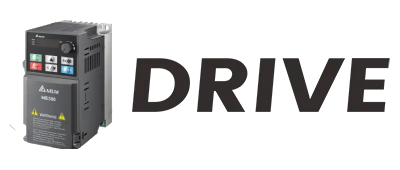
Wiring a bipolar stepper system is a crucial process that requires a good understanding of electrical principles and the specific components involved. As a leading supplier of stepper systems, we are here to guide you through the entire wiring process, ensuring that you can set up your system safely and effectively.
Understanding Bipolar Stepper Systems
Before diving into the wiring process, it's essential to understand what a bipolar stepper system is. A bipolar stepper motor is a type of stepper motor that has two coils, each with two leads. Unlike unipolar stepper motors, bipolar motors do not have a center tap, which means they require a more complex driving circuit to control the direction and speed of rotation.
The main components of a bipolar stepper system typically include a bipolar stepper motor, a stepper driver, and a power supply. The stepper driver is responsible for controlling the current flow through the motor coils, which in turn determines the motor's movement. The power supply provides the necessary electrical energy for the system to operate.
Components Required for Wiring
To wire a bipolar stepper system, you will need the following components:
- Bipolar Stepper Motor: There are different types of bipolar stepper motors available, such as the 2 Phase Stepper Motor and the 3 Phase Stepper Motor. Make sure to choose the one that suits your application requirements.
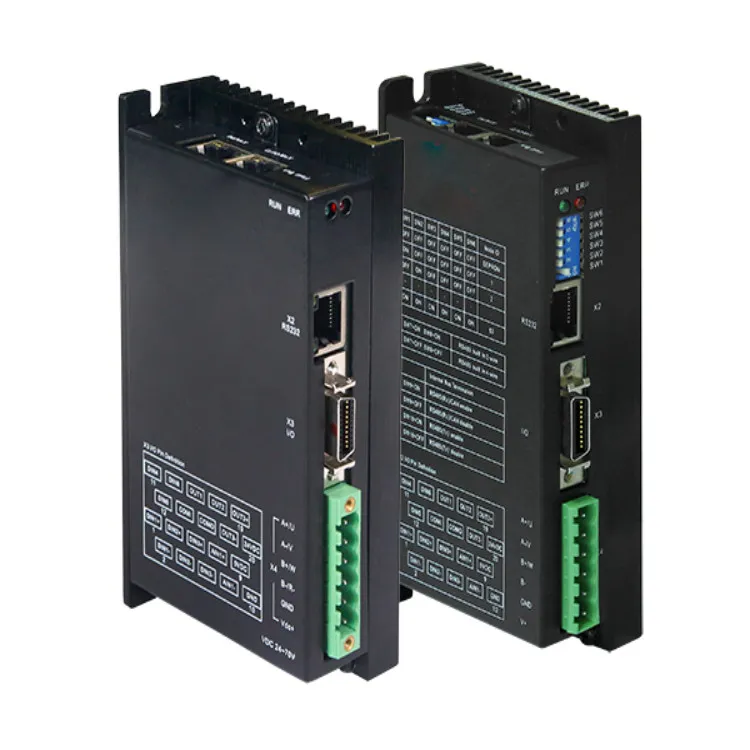
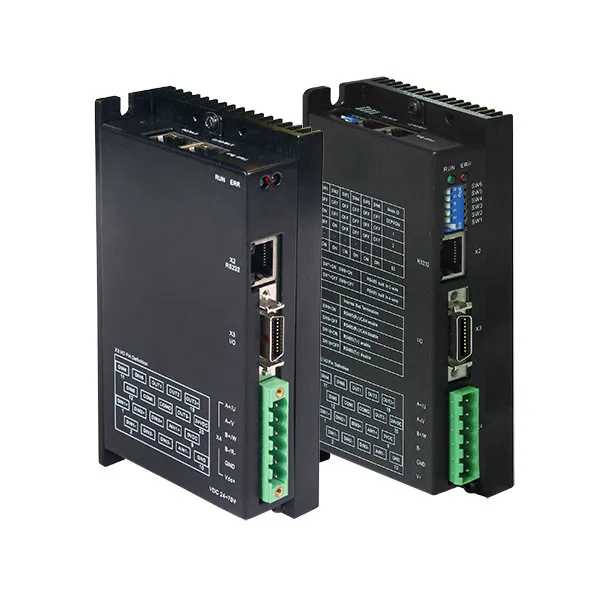
- Stepper Driver: A stepper driver is essential for controlling the bipolar stepper motor. One popular option is the Field Bus Stepper Driver, which offers advanced features and precise control.
- Power Supply: You will need a power supply that can provide the appropriate voltage and current for your stepper motor and driver. The power supply should be stable and capable of handling the power requirements of the system.
- Wiring Harness: High - quality wiring harnesses are necessary to connect the motor, driver, and power supply. Make sure the wires are of the appropriate gauge to handle the current flow.
- Screwdrivers and Other Tools: You will need basic tools like screwdrivers to secure the connections and ensure a reliable electrical connection.
Wiring Steps
Step 1: Safety First
Before you start wiring, make sure to turn off the power supply to avoid any electrical hazards. Wear appropriate safety gear, such as insulated gloves and safety glasses.
Step 2: Identify the Motor Wires
Bipolar stepper motors usually have four wires. You need to identify which two wires belong to each coil. This information can often be found in the motor's datasheet. The coils are typically color - coded, but it's always best to double - check.
Step 3: Connect the Motor to the Driver
Once you have identified the motor wires, connect them to the appropriate terminals on the stepper driver. The driver's datasheet will provide a wiring diagram that shows how to connect the motor wires. Usually, one coil is connected to one set of terminals, and the other coil is connected to another set.
Step 4: Connect the Power Supply
Connect the power supply to the stepper driver. Make sure to connect the positive and negative terminals correctly. The power supply voltage should match the requirements of the driver and the motor. A mismatched voltage can damage the components.
Step 5: Connect the Control Signals
Most stepper drivers require control signals to operate. These signals are typically used to control the direction and step size of the motor. Connect the control signals from your controller (such as a microcontroller or a PLC) to the appropriate terminals on the driver.
Step 6: Grounding
Proper grounding is crucial for the safety and performance of the system. Connect the ground wires of the motor, driver, and power supply to a common ground point. This helps to reduce electrical noise and prevent electrical interference.
Step 7: Double - Check the Connections
After completing the wiring, double - check all the connections to make sure they are secure and there are no loose wires. A loose connection can cause the motor to malfunction or even damage the components.
Testing the System
Once the wiring is complete, you can test the system. Turn on the power supply and send some test signals to the driver. Observe the motor's movement. If the motor does not move or behaves abnormally, check the wiring connections again and refer to the driver's troubleshooting guide.
Troubleshooting Common Wiring Issues
- Motor Not Moving: This could be due to incorrect wiring, a faulty power supply, or a damaged driver. Check the wiring connections, the power supply voltage, and the driver's LEDs for error codes.
- Motor Overheating: Overheating can be caused by excessive current flow, which may be due to incorrect wiring or a misconfigured driver. Check the driver settings and make sure the motor is not overloaded.
- Erratic Movement: Erratic movement can be caused by electrical interference or incorrect control signals. Make sure the wiring is properly shielded and the control signals are correct.
Best Practices for Wiring
- Use Shielded Cables: Shielded cables can help reduce electrical interference, especially in environments with high electromagnetic noise.
- Keep Wires Short: Short wires reduce resistance and voltage drop, which can improve the performance of the system.
- Label the Wires: Labeling the wires can make it easier to troubleshoot and make modifications in the future.
Conclusion
Wiring a bipolar stepper system requires careful planning and attention to detail. By following the steps outlined in this guide and using high - quality components, you can ensure a reliable and efficient stepper system. As a trusted stepper system supplier, we are committed to providing you with the best products and support. If you have any questions or need further assistance with wiring your bipolar stepper system, or if you are interested in purchasing our products, please contact us for a detailed discussion. We look forward to helping you with your stepper system needs.
References
- Stepper Motor and Driver Datasheets
- Electrical Wiring Standards and Guidelines