

Using an industrial videoscope can be a game - changer in many industries, from manufacturing to maintenance. As a videoscope supplier, I've seen firsthand how these nifty tools can help professionals get a clear view of hard - to - reach areas. But like any piece of industrial equipment, there are some safety precautions you need to keep in mind.
1. Pre - use Inspection
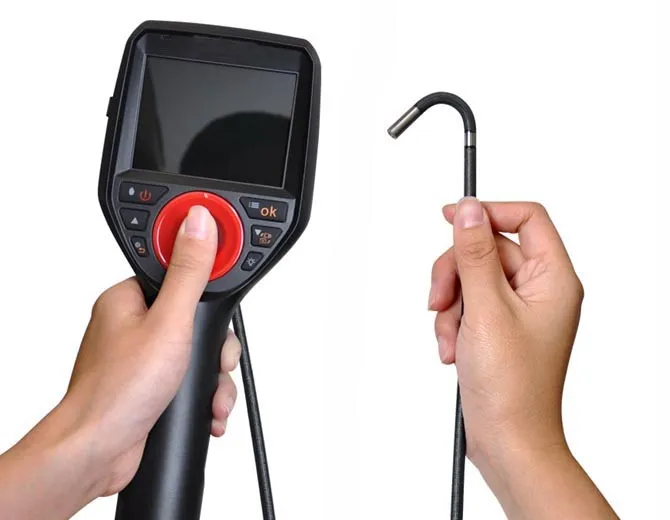
Before you even think about powering on your industrial videoscope, give it a thorough once - over. Check the cable for any signs of damage, like cuts or kinks. A damaged cable can not only affect the quality of the video feed but also pose an electrical hazard. Look at the probe tip as well. If it's cracked or damaged, it might not work properly and could even break off inside the area you're inspecting.
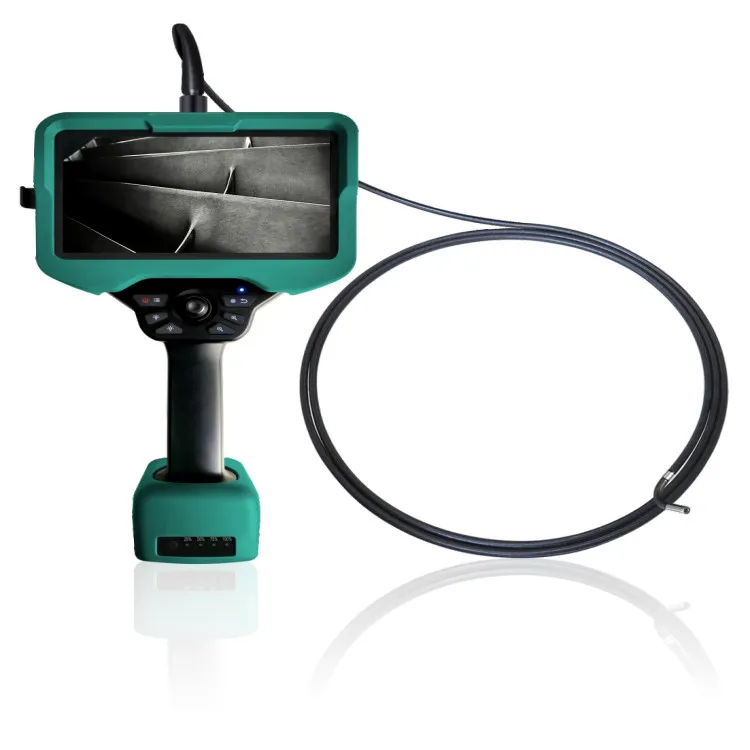
For example, I had a client who didn't do a pre - use inspection on their High Performance Industrial Videoscope. The cable had a small cut, and when they powered it on, there was a short circuit. It not only ruined their videoscope but also could have caused an injury. So always, and I mean always, check your equipment before use.
2. Electrical Safety
Industrial videoscopes are electrical devices, so electrical safety is a must. Make sure you're using the right power source. Using an incompatible power supply can damage the videoscope and put you at risk of electric shock.
If you're using the videoscope in a wet or damp environment, be extra careful. Water and electricity don't mix well. Use a ground - fault circuit interrupter (GFCI) to protect yourself from electrical hazards. And never touch the power cord with wet hands. I know it sounds obvious, but you'd be surprised how many people forget this basic rule.
3. Handling the Probe
The probe is the most delicate part of the industrial videoscope. When inserting the probe into the area you want to inspect, do it slowly and carefully. Don't force it if it meets resistance. Forcing the probe can damage it, and in some cases, it can cause debris to be dislodged and potentially damage the internal components of the equipment you're inspecting.
Also, be aware of the temperature of the area where you're inserting the probe. Some industrial environments can be extremely hot or cold. High temperatures can damage the probe's insulation and electronics, while low temperatures can make the probe brittle and more likely to break.
4. Working in Confined Spaces
If you're using the videoscope in a confined space, there are additional safety precautions. First, make sure the area is properly ventilated. Some confined spaces can have low oxygen levels or contain harmful gases. Use a gas detector to check the air quality before entering.
Wear appropriate personal protective equipment (PPE), like a hard hat, safety glasses, and gloves. And always have a buddy system in place. Don't work in a confined space alone. If something goes wrong, having someone else there can be a lifesaver.
5. Cleaning and Maintenance
Regular cleaning and maintenance of your industrial videoscope are essential for both its performance and your safety. After each use, clean the probe and the cable with a soft, dry cloth. If there's any stubborn dirt or debris, use a mild cleaning solution recommended by the manufacturer.
Store the videoscope in a cool, dry place. Avoid storing it in direct sunlight or in areas with high humidity. This can prevent damage to the electronics and the cable.
6. Training and Certification
It's not enough to just buy an industrial videoscope and start using it. You need to have proper training. Make sure you or your team members are trained on how to use the videoscope safely and effectively. Some manufacturers offer training courses, and there are also third - party training providers.
Getting certified in using industrial videoscopes can also be a great idea. It not only shows that you have the necessary skills but also gives you an extra level of confidence when using the equipment.
7. Compatibility with the Inspection Environment
Different industrial videoscopes are designed for different environments. For example, if you're in a police operation, you might need a Police Videoscope that's designed to be portable and easy to use in various situations. On the other hand, if you're in a heavy - duty industrial setting, a High Performance Multifunctional Industrial Videoscope might be more suitable.
Make sure the videoscope you choose is compatible with the environment and the type of inspection you'll be doing. Using an incompatible videoscope can not only lead to inaccurate results but also pose safety risks.
8. Avoiding Interference
Industrial environments can be full of electrical interference. This can affect the quality of the video feed from your videoscope. To avoid this, keep the videoscope away from other electrical equipment that might cause interference.
If you're using a wireless videoscope, make sure the signal is strong and not being blocked by any obstacles. A weak or interfered signal can lead to a loss of video data, which can be a problem if you're relying on the footage for inspection or documentation.
9. Grounding
Proper grounding is crucial for the safety of your industrial videoscope. Make sure the equipment is properly grounded according to the manufacturer's instructions. A grounded videoscope can help prevent electrical shocks and reduce the risk of damage due to electrical surges.
10. Emergency Procedures
Have a clear set of emergency procedures in place in case something goes wrong while using the industrial videoscope. This should include what to do in case of an electrical shock, a damaged probe, or any other unexpected situation.
Make sure all operators are familiar with these emergency procedures. And keep a first - aid kit nearby in case of any minor injuries.
In conclusion, using an industrial videoscope can be a great way to get a better view of hard - to - reach areas, but it's important to follow these safety precautions. As a videoscope supplier, I'm here to help you not only choose the right videoscope but also ensure that you use it safely.
If you're interested in purchasing an industrial videoscope or have any questions about safety or product selection, feel free to reach out. We're here to assist you in making the best decision for your needs.
References
- General safety guidelines for industrial equipment
- Manufacturer's manuals for industrial videoscopes