

Hey there! As a supplier of DC Servo Drivers, I've seen firsthand how crucial reliability is in these devices. A reliable DC servo driver can make all the difference in various applications, from industrial automation to robotics. So, let's dive into what factors affect the reliability of a DC servo driver.
1. Component Quality
The quality of the components used in a DC servo driver is like the foundation of a building. If the foundation is weak, the whole structure is at risk. High - quality resistors, capacitors, and transistors are essential. For example, low - quality capacitors might have a shorter lifespan and can lead to issues like voltage instability. When we source components for our DC Servo Driver, we always go for well - known brands with a proven track record. This ensures that the driver can withstand the rigors of continuous operation.
2. Thermal Management
Heat is the enemy of electronics, and DC servo drivers are no exception. When a driver is in operation, it generates heat due to the electrical currents flowing through its components. If this heat isn't properly managed, it can cause components to degrade faster. We design our drivers with efficient heat sinks and fans to dissipate heat. Some applications might require additional cooling methods, like liquid cooling. For instance, in high - power applications where the driver is running at full capacity for long periods, proper thermal management is non - negotiable.
3. Electrical Noise and Interference
In a real - world environment, there's a lot of electrical noise and interference. This can come from other electrical equipment in the vicinity, power lines, or even radio frequency sources. Electrical noise can disrupt the normal operation of a DC servo driver, leading to inaccurate control and potential malfunctions. To combat this, we use shielding and filtering techniques in our drivers. Shielding helps to block external electromagnetic fields, while filters can remove unwanted electrical signals from the power supply.
4. Design and Engineering
A well - designed DC servo driver is more likely to be reliable. The circuit layout, for example, can have a big impact. A poorly designed layout might cause signal interference between different parts of the driver. We invest a lot of time in the design phase, using advanced simulation tools to optimize the circuit layout. Also, the overall architecture of the driver matters. We focus on modular designs that are easy to troubleshoot and repair. If one part of the driver fails, it can be easily replaced without having to replace the whole unit.
5. Power Supply Stability
The power supply is the lifeblood of a DC servo driver. An unstable power supply can cause all sorts of problems, from erratic behavior to permanent damage. Fluctuations in voltage or current can stress the components in the driver. That's why we recommend using high - quality power supplies with good voltage regulation. In some cases, we even provide power supply units that are specifically designed to work with our drivers to ensure maximum stability.
6. Environmental Conditions
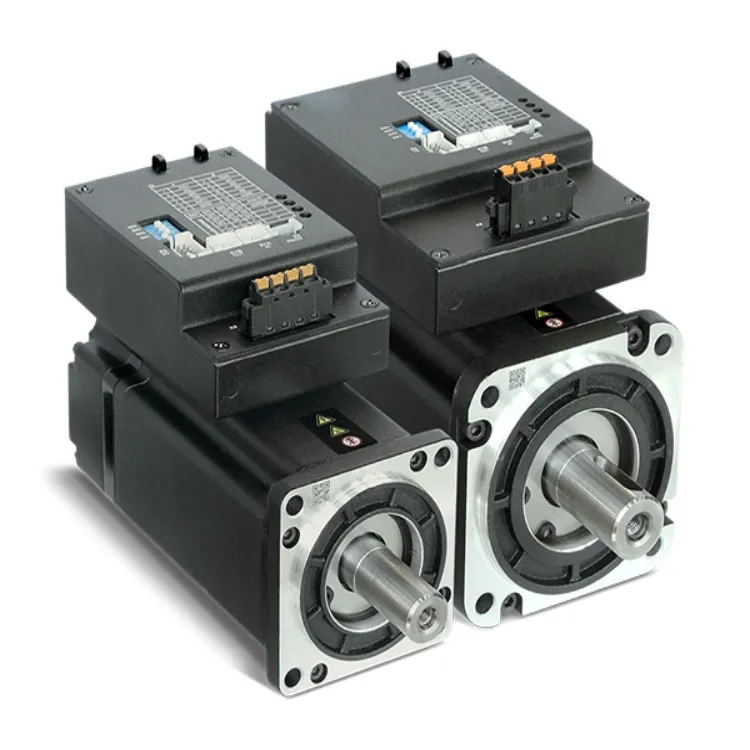
The environment in which a DC servo driver operates can have a significant impact on its reliability. Factors like temperature, humidity, and dust can all affect the driver. In a hot and humid environment, components might corrode faster. Dust can accumulate on the driver and block the heat sinks, leading to overheating. We offer drivers that are designed to withstand different environmental conditions. For example, our Low - voltage Servo Motor is suitable for a wide range of temperatures and can be used in relatively dusty environments.
7. Load Characteristics
The load that a DC servo driver is driving also plays a role in its reliability. If the load is too heavy or has a high inertia, it can put a lot of stress on the driver. The driver needs to be able to provide enough torque to move the load smoothly. We carefully match our drivers to the appropriate loads. If a customer has a unique load requirement, we can customize the driver to ensure it can handle the load without any issues.
8. Maintenance and Service
Regular maintenance can extend the lifespan of a DC servo driver. This includes things like cleaning the driver, checking the connections, and replacing worn - out components. We provide detailed maintenance guides to our customers. Also, our technical support team is always available to assist with any service issues. We believe that good after - sales service is an important part of ensuring the long - term reliability of our products.
9. Firmware and Software
In modern DC servo drivers, firmware and software play a crucial role. The firmware controls the basic functions of the driver, while software can be used for more advanced configuration and monitoring. Bugs in the firmware or software can lead to reliability issues. We regularly update the firmware and software of our drivers to fix bugs, improve performance, and add new features. This ensures that our drivers stay up - to - date and reliable.
10. Compatibility with Other Components
A DC servo driver usually works in conjunction with other components, like motors and controllers. If there's a compatibility issue between these components, it can affect the reliability of the whole system. For example, using a motor with the wrong specifications can cause the driver to overheat or malfunction. We test our drivers with a wide range of motors and controllers to ensure compatibility. Our Frameless Torque Motor is designed to work seamlessly with our drivers.
In conclusion, the reliability of a DC servo driver is affected by a multitude of factors, from component quality to environmental conditions. At our company, we take all these factors into account when designing and manufacturing our drivers. We're committed to providing high - quality, reliable products to our customers.
If you're in the market for a DC servo driver and want a reliable solution, we'd love to have a chat with you. Whether you have specific requirements or just want to learn more about our products, feel free to reach out for a procurement discussion.
References
- Grob, Bernard. "Basic Electronics." McGraw - Hill Education, 2007.
- Horowitz, Paul, and Winfield Hill. "The Art of Electronics." Cambridge University Press, 2015.