

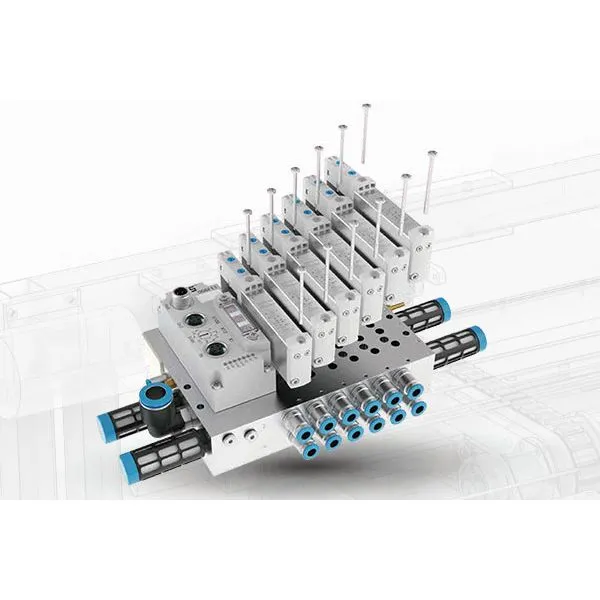
Electromagnetic compatibility (EMC) is a critical aspect in the design and operation of modern industrial equipment, including valve islands. As a valve islands supplier, I understand the importance of EMC in ensuring the reliable and efficient performance of these essential components in various industrial applications. In this blog post, I will delve into what electromagnetic compatibility of valve islands is, why it matters, and how we address EMC challenges in our products.
Understanding Electromagnetic Compatibility
Electromagnetic compatibility refers to the ability of an electrical or electronic device to function properly in its electromagnetic environment without causing or being affected by electromagnetic interference (EMI). EMI can be generated from various sources, such as radio frequency emissions, electrical transients, and electrostatic discharges. In an industrial setting, where multiple electronic devices are often operating in close proximity, the potential for EMI is significant.
For valve islands, electromagnetic compatibility is crucial because they are typically used in control systems that rely on precise electrical signals to operate valves. Any interference can disrupt these signals, leading to inaccurate valve actuation, reduced system performance, and even equipment failure. Therefore, ensuring that valve islands are electromagnetically compatible is essential for maintaining the integrity and reliability of the entire control system.
Why EMC Matters for Valve Islands
The importance of EMC for valve islands can be understood from several perspectives:
Reliability
In industrial applications, reliability is paramount. Valve islands are often used in critical processes, such as manufacturing, automation, and fluid control systems. Any malfunction due to electromagnetic interference can lead to production downtime, increased costs, and potential safety hazards. By ensuring EMC, we can minimize the risk of such malfunctions and ensure that valve islands operate reliably over an extended period.
Performance
EMI can degrade the performance of valve islands by causing signal distortion, noise, and errors. This can result in slower response times, inaccurate valve positioning, and reduced control precision. By achieving good electromagnetic compatibility, we can maintain the high performance of valve islands, ensuring that they meet the strict requirements of modern industrial applications.
Compliance
Many industries have strict regulations and standards regarding electromagnetic compatibility. For example, the European Union's EMC Directive requires that all electrical and electronic equipment placed on the market within the EU must be electromagnetically compatible. By ensuring that our valve islands comply with these standards, we can help our customers meet their regulatory obligations and avoid potential legal issues.
EMC Challenges in Valve Islands
Valve islands face several EMC challenges due to their design and operating environment. Some of the key challenges include:
Electrical Noise
Valve islands are often located in industrial environments where there is a high level of electrical noise. This noise can be generated by various sources, such as motors, generators, and power supplies. The electrical noise can couple into the valve island's electrical circuits, causing interference and affecting its performance.
Radio Frequency Interference (RFI)
In addition to electrical noise, valve islands can also be affected by radio frequency interference. RFI can be generated by wireless communication devices, such as Wi-Fi routers, cell phones, and radio transmitters. The RFI can couple into the valve island's antenna or electrical circuits, causing interference and disrupting its operation.
Electrostatic Discharge (ESD)
Electrostatic discharge is another common EMC challenge in valve islands. ESD can occur when a charged object comes into contact with the valve island, releasing a sudden burst of electrical energy. This can damage the valve island's electronic components and cause it to malfunction.
Addressing EMC Challenges in Valve Islands
As a valve islands supplier, we take several measures to address the EMC challenges and ensure the electromagnetic compatibility of our products. Some of the key measures include:
Shielding
We use shielding materials to protect the valve island's electronic components from electromagnetic interference. Shielding can be applied to the enclosure, cables, and printed circuit boards (PCBs) of the valve island. The shielding materials can absorb or reflect electromagnetic waves, reducing the amount of interference that reaches the electronic components.
Filtering
We also use filtering techniques to reduce the amount of electrical noise and RFI that enters the valve island's electrical circuits. Filters can be installed on the power supply, input/output (I/O) lines, and communication interfaces of the valve island. The filters can block or attenuate unwanted frequencies, allowing only the desired signals to pass through.
Grounding
Proper grounding is essential for ensuring the electromagnetic compatibility of valve islands. Grounding provides a low-impedance path for electrical currents, reducing the risk of electrical noise and interference. We ensure that the valve island's enclosure, PCBs, and cables are properly grounded to minimize the effects of electromagnetic interference.
Circuit Design
In addition to shielding, filtering, and grounding, we also pay close attention to the circuit design of our valve islands. We use advanced circuit design techniques, such as differential signaling and isolation, to reduce the susceptibility of the valve island to electromagnetic interference. Differential signaling uses two complementary signals to transmit data, which can cancel out common-mode noise and reduce the effects of interference. Isolation techniques, such as opto-isolation and transformer isolation, can provide electrical isolation between different parts of the circuit, preventing the spread of interference.
Our Valve Islands and EMC
At our company, we are committed to providing high-quality valve islands that meet the highest standards of electromagnetic compatibility. Our valve islands are designed and tested to comply with international EMC standards, such as the IEC 61000 series and the EN 55011 standard. We use advanced EMC design techniques and manufacturing processes to ensure that our valve islands are reliable, high-performance, and electromagnetically compatible.
In addition to our standard valve islands, we also offer customized solutions to meet the specific EMC requirements of our customers. Our engineering team has extensive experience in EMC design and testing, and we can work closely with our customers to develop valve islands that are optimized for their particular applications.
Related Products and EMC
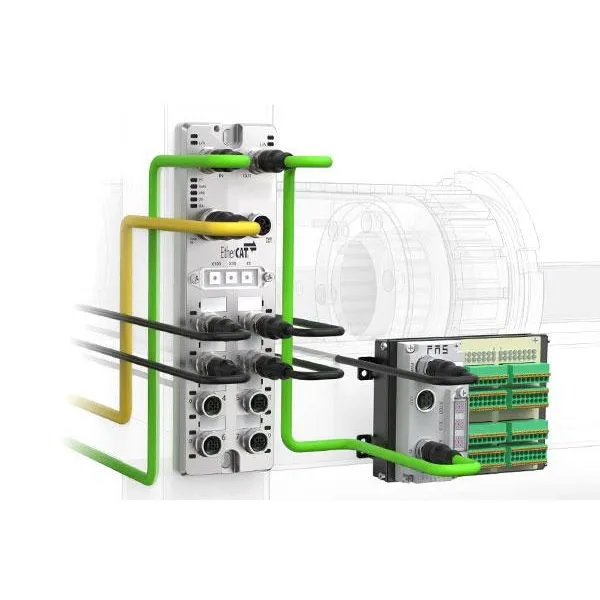
In addition to valve islands, we also offer a range of related products, such as Unmanaged Switch and Multi-protocol Network Module, that are designed to work seamlessly with our valve islands. These products also undergo rigorous EMC testing to ensure their electromagnetic compatibility.
The Unmanaged Switch provides a simple and cost-effective solution for connecting multiple valve islands and other devices to a network. It is designed to be easy to install and use, and it offers high-speed data transfer and reliable performance. The Multi-protocol Network Module allows our valve islands to communicate with different types of industrial networks, such as Ethernet/IP, Profibus, and Modbus. It provides a flexible and scalable solution for integrating our valve islands into existing control systems.
Conclusion
Electromagnetic compatibility is a critical aspect of valve islands, ensuring their reliable and efficient performance in industrial applications. As a valve islands supplier, we understand the importance of EMC and take several measures to address the EMC challenges in our products. Our valve islands are designed and tested to comply with international EMC standards, and we offer customized solutions to meet the specific EMC requirements of our customers.
If you are looking for high-quality valve islands that are electromagnetically compatible, please [contact us](insert appropriate contact link or information). Our team of experts will be happy to assist you in selecting the right valve islands for your application and providing you with the support you need.
References
- IEC 61000 series - Electromagnetic compatibility (EMC) standards
- EN 55011 - Industrial, scientific and medical (ISM) radio-frequency equipment - Electromagnetic disturbance characteristics - Limits and methods of measurement