
Achieving inertia matching for a DC servo motor is crucial for optimizing its performance and ensuring smooth operation. As a DC servo motor supplier, I've seen firsthand how proper inertia matching can make a world of difference in various applications. In this blog, I'll share some insights on how to achieve inertia matching for a DC servo motor.
Understanding Inertia in DC Servo Motors
Before we dive into the process of achieving inertia matching, let's first understand what inertia is in the context of DC servo motors. Inertia refers to the resistance of an object to changes in its state of motion. In a DC servo motor system, inertia is a combination of the motor's own inertia and the inertia of the load it's driving.
The motor's inertia is determined by its physical design, including the mass and distribution of its rotating parts. The load inertia, on the other hand, depends on the characteristics of the load, such as its mass, shape, and rotational speed.
When the motor's inertia and the load inertia are not properly matched, it can lead to several issues. For example, if the load inertia is too high compared to the motor's inertia, the motor may struggle to accelerate and decelerate the load, resulting in slow response times and reduced accuracy. On the other hand, if the load inertia is too low, the motor may overshoot and oscillate, causing instability and premature wear on the motor and other components.
Calculating Inertia
The first step in achieving inertia matching is to calculate the inertia of the motor and the load. There are several methods for calculating inertia, depending on the shape and complexity of the objects.
For simple shapes, such as cylinders and disks, the inertia can be calculated using standard formulas. For example, the inertia of a solid cylinder rotating about its central axis is given by the formula:
$I = \frac{1}{2}mr^2$
where $I$ is the inertia, $m$ is the mass of the cylinder, and $r$ is the radius.
For more complex shapes, the inertia can be calculated using numerical methods or by using software tools. Many motor manufacturers provide online calculators or software that can help you calculate the inertia of your motor and load.
Once you have calculated the inertia of the motor and the load, you can determine the inertia ratio, which is the ratio of the load inertia to the motor inertia. A general rule of thumb is that the inertia ratio should be between 1:1 and 10:1 for optimal performance. However, the ideal inertia ratio may vary depending on the specific application and the requirements of the system.
Selecting the Right Motor
Based on the calculated inertia ratio, you can select the right motor for your application. When choosing a motor, it's important to consider not only the inertia but also other factors such as torque, speed, and power.
If the inertia ratio is too high, you may need to choose a motor with a higher inertia or a higher torque rating. A motor with a higher inertia can better handle the load without struggling to accelerate and decelerate. A motor with a higher torque rating can provide the necessary force to move the load.
On the other hand, if the inertia ratio is too low, you may be able to choose a smaller and more efficient motor. A smaller motor can save energy and reduce costs, but it's important to make sure that it can still provide the required torque and speed for the application.
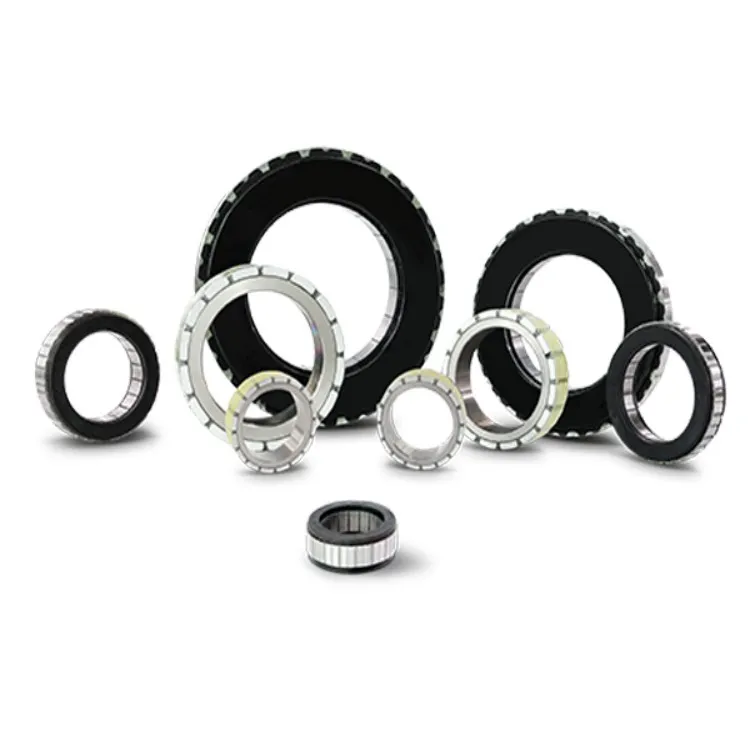
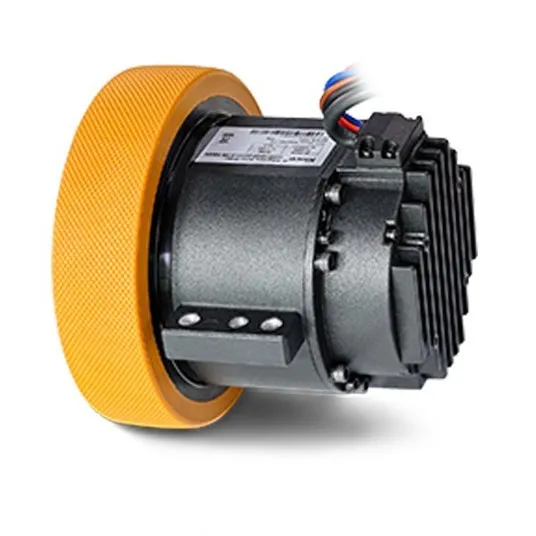
As a DC servo motor supplier, we offer a wide range of motors with different inertia and torque ratings to meet the needs of various applications. For example, our Integrated Servo Wheel is a compact and efficient motor that is ideal for applications with low to medium inertia loads. Our Frameless Torque Motor, on the other hand, is a high-torque motor that can handle high inertia loads.
Using a Gearbox
In some cases, it may not be possible to find a motor with the exact inertia and torque rating required for your application. In such cases, you can use a gearbox to adjust the inertia ratio.
A gearbox is a mechanical device that can change the speed and torque of a motor. By using a gearbox, you can increase the torque output of the motor while reducing the speed. This can effectively reduce the load inertia seen by the motor, making it easier for the motor to accelerate and decelerate the load.
When using a gearbox, it's important to choose the right gear ratio. The gear ratio should be selected based on the inertia ratio and the requirements of the application. A general rule of thumb is that the gear ratio should be such that the inertia ratio after the gearbox is within the optimal range.
Tuning the Controller
Once you have selected the right motor and gearbox (if necessary), the next step is to tune the controller. The controller is responsible for regulating the speed and torque of the motor based on the input signals from the user or the system.
Tuning the controller involves adjusting the parameters of the control algorithm to optimize the performance of the motor. There are several parameters that can be adjusted, such as the proportional gain, integral gain, and derivative gain.
The proportional gain determines the response of the motor to the error between the desired speed or torque and the actual speed or torque. A higher proportional gain can result in a faster response, but it can also lead to overshoot and instability. The integral gain is used to eliminate the steady-state error, while the derivative gain is used to reduce the overshoot and improve the stability of the system.
Tuning the controller can be a complex process, and it may require some trial and error. Many motor controllers come with built-in tuning tools or algorithms that can help you tune the controller automatically. However, it's still important to have a basic understanding of the control theory and the parameters involved.
Monitoring and Maintaining the System
After achieving inertia matching and tuning the controller, it's important to monitor and maintain the system regularly. Monitoring the system involves measuring the performance of the motor and the load, such as the speed, torque, and position.
By monitoring the system, you can detect any issues or changes in the performance of the motor and take corrective actions before they become serious problems. For example, if you notice that the motor is overheating or if the load is not moving smoothly, it may indicate a problem with the inertia matching or the controller tuning.
Maintaining the system involves performing regular maintenance tasks, such as cleaning the motor, lubricating the bearings, and checking the connections. Regular maintenance can help prolong the life of the motor and other components and ensure the reliable operation of the system.
Conclusion
Achieving inertia matching for a DC servo motor is a critical step in optimizing its performance and ensuring smooth operation. By calculating the inertia of the motor and the load, selecting the right motor, using a gearbox if necessary, tuning the controller, and monitoring and maintaining the system, you can achieve optimal inertia matching and improve the performance of your DC servo motor system.
If you're looking for a reliable DC servo motor supplier, look no further. We offer a wide range of high-quality DC servo motors, DC Servo Drivers, and other components to meet the needs of various applications. Contact us today to discuss your requirements and let us help you find the right solution for your project.
References
- Dorf, R. C., & Bishop, R. H. (2017). Modern Control Systems. Pearson.
- Ogata, K. (2010). Modern Control Engineering. Prentice Hall.
- Krause, P. C., Wasynczuk, O., & Sudhoff, S. D. (2013). Analysis of Electric Machinery and Drive Systems. Wiley.