
In the realm of industrial automation and control systems, counter sensors play a pivotal role. These sensors are essential for accurately counting objects, events, or processes, ensuring that operations run smoothly and efficiently. As a counter sensor supplier, I've had the privilege of working with a wide variety of counter sensors, each designed to meet specific industrial needs. In this blog post, I'll delve into the different types of counter sensors available in the market, exploring their features, applications, and advantages.
1. Optical Counter Sensors
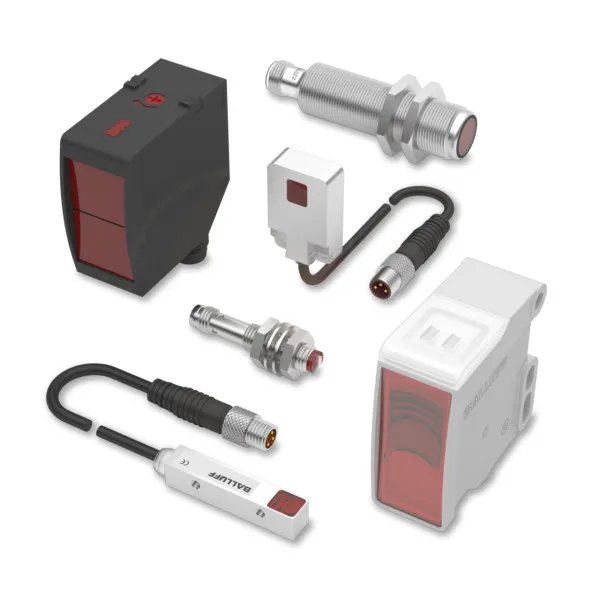
Optical counter sensors are among the most commonly used types of counter sensors. They operate based on the principle of light detection. There are two main subtypes: through-beam and retro-reflective.
Through - Beam Optical Sensors
Through - beam sensors consist of a transmitter and a receiver, which are placed opposite each other. The transmitter emits a beam of light, typically infrared, and the receiver detects this light. When an object passes between the transmitter and the receiver, it interrupts the light beam, and the sensor registers this interruption as an event, which can be counted. These sensors offer high accuracy and are suitable for applications where precise counting is required. For example, in a packaging line, through - beam optical sensors can accurately count the number of boxes passing through a conveyor belt.
Retro - Reflective Optical Sensors
Retro - reflective sensors have the transmitter and receiver in the same housing, along with a reflector placed on the opposite side. The transmitter emits a light beam, which is reflected back to the receiver by the reflector. When an object passes in front of the sensor and blocks the reflected light, the sensor detects the change and counts the event. These sensors are more flexible in terms of installation compared to through - beam sensors, as they don't require precise alignment of two separate units. They are commonly used in applications such as counting the number of parts on a production line.
Optical counter sensors are generally fast - acting, reliable, and can be used in a wide range of environments. However, they can be affected by factors such as dust, dirt, and ambient light. To learn more about optical sensors, you can visit our Counter Sensor page.
2. Inductive Counter Sensors
Inductive counter sensors are based on the principle of electromagnetic induction. They generate an alternating magnetic field around a coil. When a metallic object enters this magnetic field, eddy currents are induced in the object, which in turn affect the magnetic field of the sensor. The sensor detects these changes and counts the presence of the metallic object.
These sensors are highly reliable when it comes to detecting metallic objects. They are immune to dust, dirt, and most types of liquids, making them suitable for harsh industrial environments. For example, in a metal stamping plant, inductive counter sensors can be used to count the number of stamped metal parts produced. However, they can only detect metallic objects, and their sensing range is relatively limited compared to some other types of sensors.
3. Capacitive Counter Sensors
Capacitive counter sensors work by measuring changes in capacitance. They consist of a capacitor with two electrodes. When an object approaches the sensor, it changes the dielectric constant between the electrodes, which in turn changes the capacitance of the sensor. The sensor detects this change and counts the event.
Capacitive sensors can detect a wide range of materials, including non - metallic objects such as plastics, liquids, and powders. They are often used in applications where non - metallic objects need to be counted, such as in the food and beverage industry for counting bottles or cans. However, they can be sensitive to changes in the environment, such as humidity and temperature, which can affect their accuracy.
4. Ultrasonic Counter Sensors
Ultrasonic counter sensors use ultrasonic waves to detect objects. The sensor emits ultrasonic waves, and when these waves hit an object, they are reflected back to the sensor. The sensor measures the time it takes for the waves to return and calculates the distance to the object. If an object passes through the detection zone of the sensor, the sensor can count this event.
These sensors are suitable for detecting objects regardless of their color, transparency, or surface finish. They can be used in applications where optical sensors may not work effectively, such as in environments with high levels of dust or smoke. For example, in a sawmill, ultrasonic counter sensors can be used to count the number of logs passing through a conveyor. However, ultrasonic sensors can be affected by factors such as air temperature, humidity, and the presence of other ultrasonic sources in the vicinity.
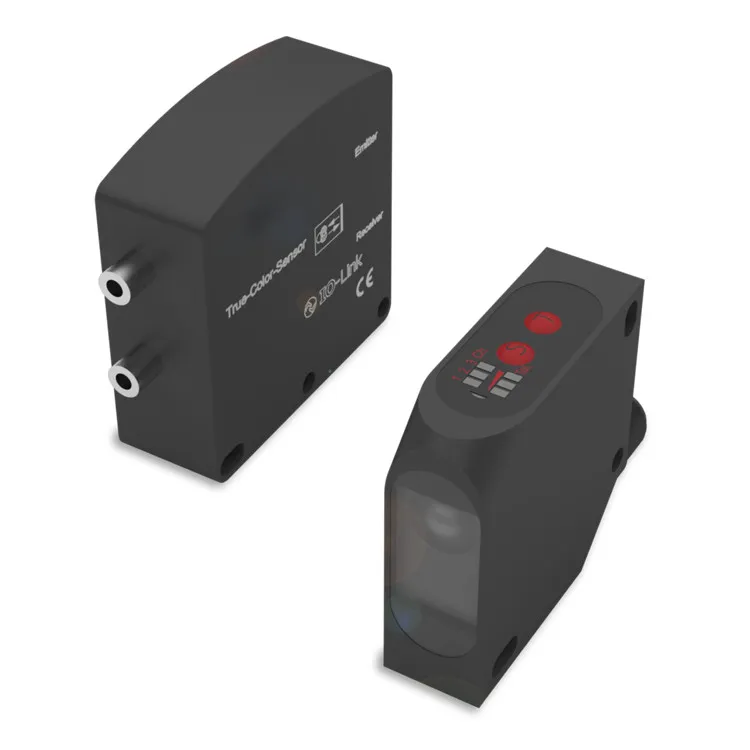
5. Colour Sensors
Colour sensors are a specialized type of sensor that can be used for counting based on color recognition. These sensors emit light onto an object and analyze the reflected light to determine the color of the object. They can be programmed to count objects of a specific color or to differentiate between different colors.
Colour sensors are widely used in industries where color sorting and counting are important, such as in the textile industry for sorting and counting colored yarns or in the automotive industry for quality control of painted parts. To learn more about colour sensors, you can visit our Colour Sensor page.
6. Contrast Sensors
Contrast sensors are designed to detect differences in contrast between an object and its background. They emit light onto a surface and measure the amount of light reflected. By comparing the reflected light from the object and the background, the sensor can detect the presence of the object and count it.
These sensors are commonly used in applications where objects need to be detected based on their visual appearance, such as in printing and packaging industries for detecting printed marks or labels on products. To find out more about contrast sensors, visit our Contrast Sensor page.
Choosing the Right Counter Sensor
When selecting a counter sensor for a particular application, several factors need to be considered. These include the type of object to be detected (metallic, non - metallic, transparent, etc.), the environment in which the sensor will operate (harsh, clean, dusty, etc.), the required sensing range, the speed of the objects to be counted, and the level of accuracy needed.
As a counter sensor supplier, we have a team of experts who can help you choose the right sensor for your specific needs. We offer a wide range of high - quality counter sensors that are designed to meet the diverse requirements of different industries.
Contact for Procurement and Discussion
If you're interested in purchasing counter sensors or have any questions about the different types of sensors available, we'd be more than happy to assist you. Our team is well - versed in the technical aspects of counter sensors and can provide you with detailed information and guidance. Whether you're looking for a sensor for a small - scale project or a large - scale industrial application, we have the solutions to meet your needs. Reach out to us, and let's start a discussion about how we can help you optimize your counting processes.
References
- Industrial Sensor Handbook, various authors, 2020
- Principles of Sensor Technology, John Smith, 2018
- Automation and Control Systems, Emily Davis, 2019