
Hey there! As a supplier of DC servo motors, I often get asked by customers, "Can I repair a DC servo motor myself?" Well, let's dive right into this topic and break it down.
First off, understanding what a DC servo motor is can give you a better idea of whether you can handle its repair. A DC servo motor is a type of motor that uses direct current (DC) power and is designed to provide precise control over speed, position, and torque. It's commonly used in various applications, from industrial machinery to robotics and automation.
Pros of DIY DC Servo Motor Repair
Cost - Savings
One of the biggest reasons people consider repairing a DC servo motor themselves is to save money. Buying a brand - new motor can be quite expensive, especially if you're on a tight budget. By fixing it yourself, you only need to pay for the replacement parts, which can be a fraction of the cost of a new motor.
Learning Experience
Repairing a DC servo motor can be a great learning opportunity. You'll get to understand how the motor works in detail, from the electrical components to the mechanical parts. This knowledge can come in handy in the future, not just for servo motors but also for other electrical devices.
Quick Fix
If you're in a situation where you need the motor up and running as soon as possible, doing the repair yourself can save time. You don't have to wait for a professional repair service to fit you into their schedule.
Cons of DIY DC Servo Motor Repair
Technical Knowledge Required
DC servo motors are complex pieces of equipment. They involve electrical circuits, magnetic fields, and precision mechanical parts. Without a good understanding of electrical engineering and mechanical principles, it can be very difficult to diagnose and fix the problem correctly. For example, if the issue is with the motor's winding, rewinding it requires specialized skills and tools.
Safety Risks
Working with electrical components always comes with safety risks. DC servo motors can carry high voltages, and if you're not careful, you could get electrocuted. There's also a risk of short - circuits, which can damage the motor further or even cause a fire.
Warranty Voidance
If your DC servo motor is still under warranty, attempting to repair it yourself can void the warranty. This means that if something goes wrong during the repair or if there's a pre - existing issue that you didn't notice, you won't be able to get it fixed for free by the manufacturer.
Common DC Servo Motor Problems and DIY Fixes
Overheating
Overheating is a common problem in DC servo motors. It can be caused by several factors, such as overloading, poor ventilation, or a faulty cooling system. If you notice that your motor is overheating, the first thing you should do is check the load. Make sure that the motor is not being asked to do more than it's rated for. You can also check the ventilation around the motor. Clean any dust or debris that might be blocking the cooling fins. If the cooling system has a fan, check if it's working properly.
Noisy Operation
A noisy DC servo motor can be a sign of mechanical problems. It could be due to worn - out bearings, loose parts, or misalignment. If you suspect that the bearings are the issue, you can try to replace them. However, this requires some mechanical skills. You'll need to remove the motor housing carefully, take out the old bearings, and install the new ones. Make sure to use the correct size and type of bearings.
Loss of Torque
If your DC servo motor is losing torque, it could be a problem with the electrical supply or the motor's winding. First, check the power supply to make sure that it's providing the correct voltage and current. You can use a multimeter to measure the voltage and current. If the power supply is fine, the issue might be with the winding. This is a more complex problem and might require professional help.
Tools and Parts You Might Need
If you decide to go ahead with the DIY repair, here are some tools and parts you might need:
- Multimeter: This is used to measure voltage, current, and resistance. It's essential for diagnosing electrical problems.
- Screwdrivers: You'll need different sizes of screwdrivers to open the motor housing.
- Pliers: Pliers can be used to hold small parts and to bend wires if necessary.
- Replacement Parts: Depending on the problem, you might need replacement bearings, brushes, or windings. You can find these parts online or at a local electronics store.
When to Call a Professional
There are certain situations where it's best to call a professional. If you're not confident in your technical skills, if the problem is complex, or if the motor is still under warranty, it's better to let an expert handle the repair. A professional repair service has the experience, tools, and knowledge to diagnose and fix the problem correctly, and they can also ensure that the repair is done safely.
Conclusion
So, can you repair a DC servo motor yourself? The answer is yes, but it depends on your skills, knowledge, and the nature of the problem. If you're up for the challenge and have the necessary tools and parts, DIY repair can be a cost - effective and rewarding option. However, if you're not sure, it's always better to call a professional.
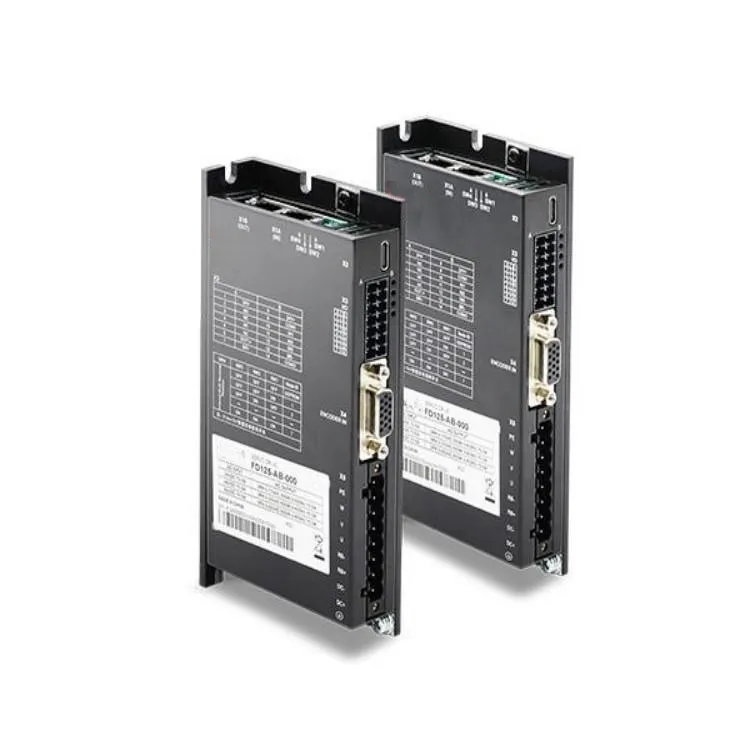
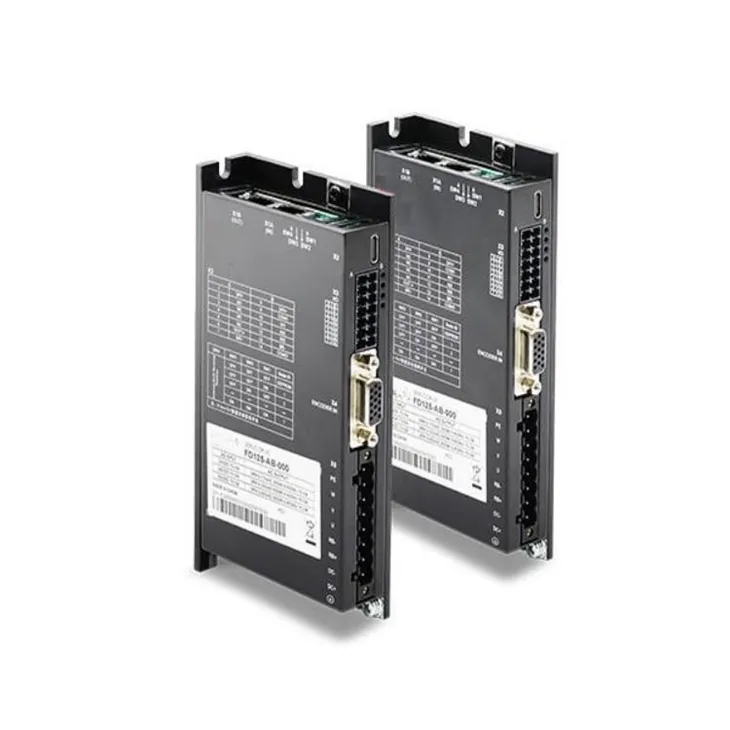
As a DC servo motor supplier, we also offer a range of related products, such as Frameless Torque Motor, DC Servo Driver, and Mini DC Servo Driver. If you're interested in purchasing these products or have any questions about DC servo motors, feel free to reach out to us for a purchase negotiation. We're here to help you find the best solutions for your needs.
References
- "DC Servo Motors: Principles, Types, and Applications" - Electrical Engineering Textbook
- "Servo Motor Repair Guide" - Online Electronics Magazine
- Manufacturer's Manuals for DC Servo Motors